
With the rapid development of the global beauty industry, beauty products have undergone tremendous upgrades in the past decade. False eyelashes, as one of the most popular eye makeup tools, have changed dramatically in terms of materials, design styles, wearing methods, safety performance and practicality. Many beauty lovers can clearly feel that the false eyelashes popular ten years ago are completely different from the lightweight, natural and user-friendly styles on the market today. The evolution of false eyelashes not only reflects the upgrading of production technology, but also caters to the changing public aesthetic and daily makeup needs. Comparing the differences between past and modern false eyelashes helps us better understand the progress of the beauty industry.
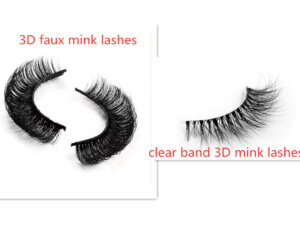
The most obvious gap lies in raw material quality and wearing comfort. Ten years ago, most civilian false eyelashes were made of low-grade rigid chemical fibers and inferior plastic materials. The lash texture was stiff, rough and unnatural, far different from real human eyelashes. The lash bands were mostly thick hard plastic or coarse cotton strips, which were rigid and poor in flexibility. After wearing, they easily pressed the eyelids, caused obvious foreign body sensation, and even dragged the eye skin when blinking. In addition, the old materials were poorly breathable, making the eye area prone to stuffiness and redness after long-term wear. In contrast, modern false eyelashes mostly adopt high-quality imported PBT fibers, simulated mink hair and soft fine silk materials. These materials are ultra-soft, lightweight and highly similar to real lashes. The upgraded thin transparent bands and ultra-fine cotton bands are almost traceless and perfectly fit the eyelid curve, bringing zero-pressure wearing experience suitable for all-day use.
A huge shift has also taken place in aesthetic design and style positioning. Ten years ago, the mainstream false eyelash style pursued heavy density, super length and exaggerated stereoscopic effect. Thick and dense full-strip lashes with strong curls were the mainstream, focusing on creating prominent and eye-catching eye makeup. Such styles were more suitable for stage performances, parties and photo shooting, but too exaggerated for daily commuting, school and office makeup, easily appearing fake and stiff. However, modern beauty aesthetics advocates natural, delicate and daily makeup effects. Current popular styles are dominated by segmented cluster lashes, wispy thin lashes and outer-corner lifting lashes. These styles focus on subtly enlarging the eyes, modifying eye shapes and creating a fluffy “no-makeup” natural effect. They can perfectly match light daily makeup, nude makeup and casual styles, realizing beauty without exaggeration.
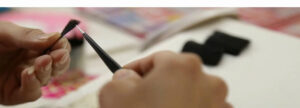
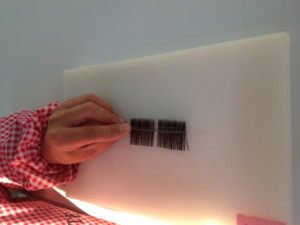
Wearing methods and operational convenience have also achieved revolutionary progress. Ten years ago, almost all false eyelashes were traditional full-strip styles with a single wearing method. Users had to apply glue manually, wait for the glue to become sticky, and adjust the position repeatedly. The operation was complicated and time-consuming, extremely unfriendly to makeup beginners. It was easy to cause problems such as uneven glue application, misplaced lashes and messy eye makeup. Today’s false eyelashes are diversified in types and wearing methods. In addition to traditional glued styles, there are pre-glued lashes, self-adhesive lashes and magnetic lashes, which eliminate the need for bottled glue. The emerging segmented cluster lashes are flexible and adjustable, allowing users to paste a small number of clusters locally according to their eye conditions. This diversified and simplified wearing method greatly lowers the threshold of use and meets the fast makeup needs of modern people.
In terms of safety and durability, modern false eyelashes have also achieved comprehensive upgrades. A decade ago, the false eyelash market was mixed with good and bad products. Many small workshop products had no safety certification, accompanied by unqualified residual chemicals and bacteria. The matching eyelash glue mostly contained irritating ingredients, which easily caused eyelid allergies, itching and inflammation, and even damaged eyelid skin after long-term use. Moreover, old-style false eyelashes were poorly made, prone to severe hair loss and deformation, and were basically disposable with low reusability. Modern regular false eyelash products strictly follow production safety standards, adopt mild and non-irritating materials, and effectively reduce allergy risks. With refined stitching and cutting technology, they are not easy to shed hair or deform, and most high-quality styles can be reused 10 to 20 times, greatly improving cost performance.
In conclusion, false eyelashes have achieved comprehensive iteration from roughness to refinement, from exaggeration to naturality, and from inconvenience to efficiency in the past ten years. Old false eyelashes focused on visual impact but sacrificed comfort and practicality, while modern styles take daily applicability, safety, comfort and natural beauty as the core. This evolution is driven by technological progress and the upgrading of public aesthetic needs. As the beauty industry continues to develop, false eyelash products will become more personalized, safe and user-friendly, bringing better makeup experience to more consumers.
This is OURLASH, please contact with us if you have any questions.