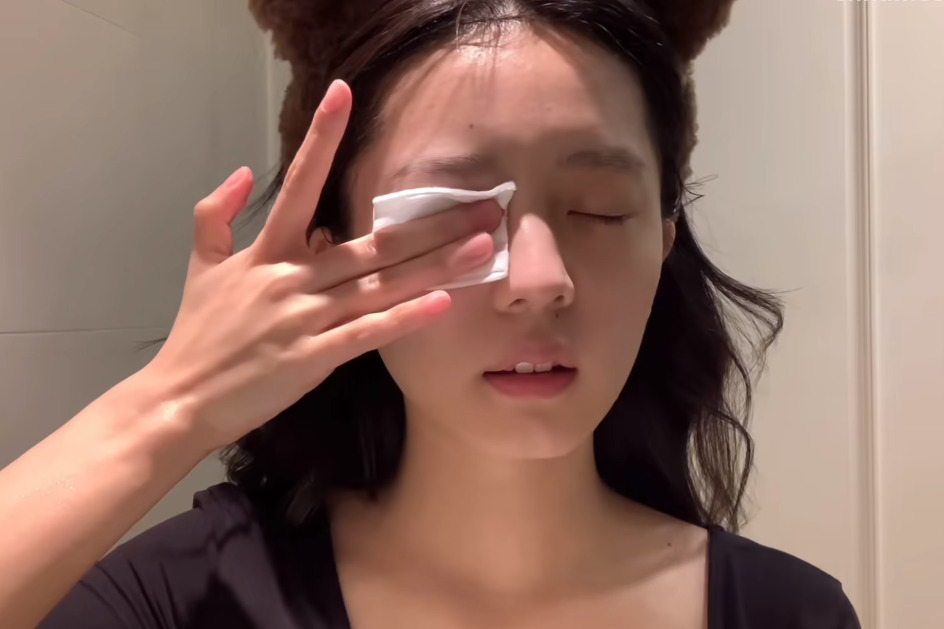

In the global beauty industry, anti-wrinkle cosmetics have long been a core segment, catering to consumers’ enduring demand for youthful skin. For decades, brands from luxury to mass-market have invested heavily in researching anti-aging ingredients and formulating products, making anti-wrinkle creams, serums, and eye creams indispensable in people’s daily skincare routines. However, in recent years, the rapid rise of medical aesthetics has reshaped the anti-aging market pattern, with non-invasive cosmetic procedures such as Botox, hyaluronic acid fillers, and Thermage gaining unprecedented popularity. This shift has directly led to a severe decline in the sales of anti-wrinkle cosmetics, as more consumers are abandoning long-term, slow-acting skincare products in favor of faster, more effective medical aesthetic solutions.
The surge in medical aesthetics is driven by multiple factors, with its obvious advantages over anti-wrinkle cosmetics being the key driver. Unlike anti-wrinkle cosmetics that require months or even years of consistent use to show subtle effects, medical aesthetic procedures deliver visible results in a short time. For example, Botox injections can smooth fine lines and wrinkles around the eyes and forehead within a few days, while Thermage can tighten loose skin and improve skin firmness after a single treatment. This “instant gratification” perfectly caters to the fast-paced lifestyle of modern consumers, who are willing to pay a premium for efficient anti-aging effects. According to the 2025 Medical Aesthetics Industry White Paper, the scale of China’s medical aesthetics market is expected to reach 370 billion yuan in 2025, with a compound annual growth rate of 17.4% from 2020 to 2025, and non-invasive medical aesthetics accounting for an increasing proportion, which will rise to 64% by 2030 .
Another crucial factor is the decreasing threshold of medical aesthetics. In the past, medical aesthetic procedures were considered a luxury accessible only to high-income groups, with high prices and limited access. However, in recent years, the expansion of medical aesthetic institutions, the popularization of domestic medical aesthetic products, and the intensification of market competition have significantly reduced the cost of procedures. For instance, the price of a basic Botox injection has dropped by nearly 50% in the past five years, making it affordable for middle-income consumers. Meanwhile, the normalization of medical aesthetics has dispelled public concerns about its safety, with more people viewing it as a routine anti-aging method rather than a risky cosmetic surgery. A consumer survey shows that 64.96% of consumers still choose skincare products as their core anti-aging method, but the penetration rate of medical aesthetic projects is gradually increasing, and their impact on the anti-wrinkle cosmetics market is becoming more prominent .
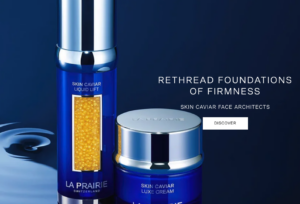
The impact of the rise of medical aesthetics on anti-wrinkle cosmetics sales is most evident in the performance of high-end brands. La Prairie, a top luxury anti-aging brand, has experienced three consecutive years of negative growth from 2023 to 2025, with an organic decline of 15.4% in 2023, 6.2% in 2024, and 4.5% in 2025. In the first quarter of 2025, its sales plummeted by 17.5%, making it the only core brand dragging down the performance of its parent company, Beiersdorf. A senior high-end skincare consumer commented that the price of La Prairie’s caviar series now overlaps with that of medical aesthetic procedures, and the effect of medical aesthetics is more obvious, making it a more cost-effective choice. This trend is not unique to La Prairie; many other high-end anti-wrinkle brands have also reported declining sales, as their target consumers—high-income groups—are more willing to invest in medical aesthetics that deliver faster results.
Even mid-range and mass-market anti-wrinkle cosmetics have not escaped the impact. With the popularity of medical aesthetics, consumers’ expectations for anti-aging effects have been raised. They are no longer satisfied with the mild, slow-acting effects of cosmetics and are more inclined to choose medical aesthetic procedures that can solve wrinkles fundamentally. A 2025 report on China’s anti-aging cosmetics market shows that although the overall market for anti-wrinkle products still maintains growth, the growth rate has slowed down significantly, and the sales of single anti-wrinkle products have declined, while the growth is mainly driven by cost-effective combination sets . This indicates that consumers are becoming more rational and are reducing their spending on single anti-wrinkle products, turning to either medical aesthetics or more comprehensive skincare solutions.
Consumer behavior changes have also accelerated the decline in anti-wrinkle cosmetics sales. Younger consumers, especially those aged 25-35, are the main force driving the growth of medical aesthetics. They have a strong awareness of anti-aging and are more open to new anti-aging methods. Unlike the older generation who rely on cosmetics for long-term maintenance, young consumers pursue efficiency and are willing to try medical aesthetic procedures to achieve quick anti-aging effects. A survey shows that 23.48% of people aged 23-28 have started regular anti-aging, and many of them have tried medical aesthetic projects . This shift in consumer groups has directly led to a shrinking customer base for anti-wrinkle cosmetics.
In response to the decline in sales, anti-wrinkle cosmetics brands have taken a series of measures to save the market. Some luxury brands have launched high-concentration ingredient products, such as Helena Rubinstein increasing the concentration of its core ingredient Bosein to an unprecedented 50%, to enhance product effectiveness . Others have accelerated digital layout and launched new products to attract consumers . Domestic brands, on the other hand, have focused on technological innovation and cost-effectiveness, combining popular anti-aging ingredients with localized skin characteristics to gain market share . However, these measures have had limited effects, as they cannot fundamentally compete with the instant and obvious effects of medical aesthetics.
It is worth noting that the rise of medical aesthetics does not mean the complete demise of anti-wrinkle cosmetics. There is still a group of consumers who prefer mild, non-invasive anti-aging methods and are willing to adhere to long-term skincare routines. In addition, anti-wrinkle cosmetics can also complement medical aesthetics, such as being used for post-procedure repair to maintain the effect of medical aesthetic treatments . However, it is undeniable that the golden age of anti-wrinkle cosmetics has passed, and the market will continue to shrink as medical aesthetics become more popular and accessible.
In conclusion, the rapid rise of medical aesthetics has brought a severe impact on the anti-wrinkle cosmetics market, leading to a significant decline in sales. The core reason lies in the fact that medical aesthetics can deliver faster, more obvious anti-aging effects at a decreasing cost, which perfectly meets the needs of modern consumers. Although anti-wrinkle cosmetics brands are trying to save the market through product innovation and marketing strategies, it is difficult to reverse the downward trend in the short term. In the future, the anti-wrinkle cosmetics market will enter a period of adjustment, and brands need to find a new positioning, such as combining with medical aesthetics or focusing on niche markets, to survive and develop in the fierce competition. The shift from anti-wrinkle cosmetics to medical aesthetics also reflects the changing needs of consumers, who are pursuing more efficient, personalized, and scientific anti-aging solutions.
This is OURLASH, please contact with us if you have any needed.