In recent years, false eyelashes have evolved from a high-end beauty item into an affordable daily makeup essential. Walk into beauty stores, online shopping platforms or wholesale markets, and people can easily find various false eyelashes at surprisingly low prices. Compared with ten years ago, the overall cost of strip lashes, segmented lashes and self-adhesive eyelashes has dropped significantly. Many consumers begin to wonder a common question: as false eyelashes become cheaper and more accessible, does their quality remain the same? The simple answer is no. The falling prices do not mean consistent quality, and the gap between low-cost and high-cost products is hidden in raw materials, production technology, workmanship and durability.
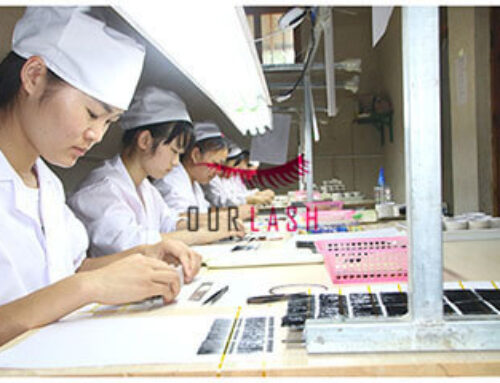
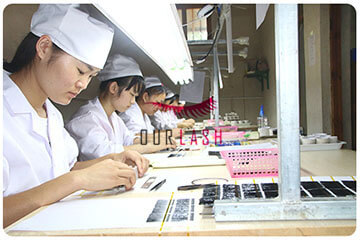
First of all, it is necessary to analyze why false eyelashes can be sold at lower and lower prices. The biggest reason is the mature global industrial chain. More than 70% of false eyelashes in the world are produced in China, with large-scale factories, complete supporting supplies and mature mass production modes. Advanced automated machines replace a large amount of manual work, greatly improving production efficiency and cutting labor costs. In addition, synthetic fiber materials such as PBT, the main raw material for modern faux mink lashes, have achieved large-scale mass production, making raw material prices continue to decline. Fierce market competition also forces many brands to lower pricing to attract customers, resulting in a large number of cheap false eyelashes flooding the market.
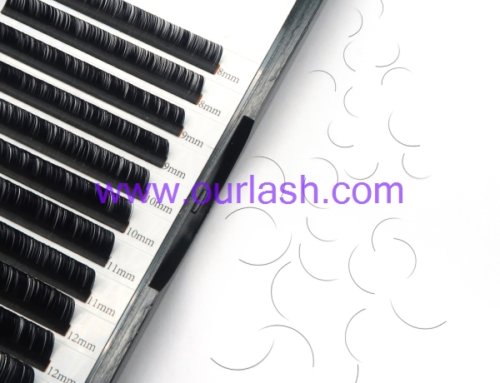
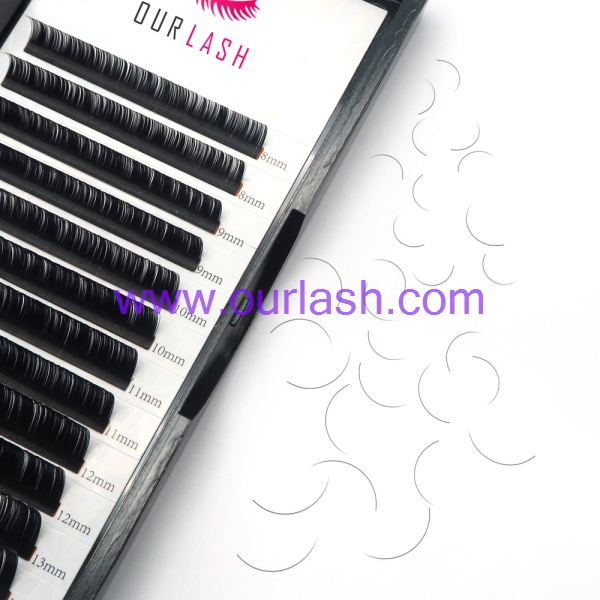
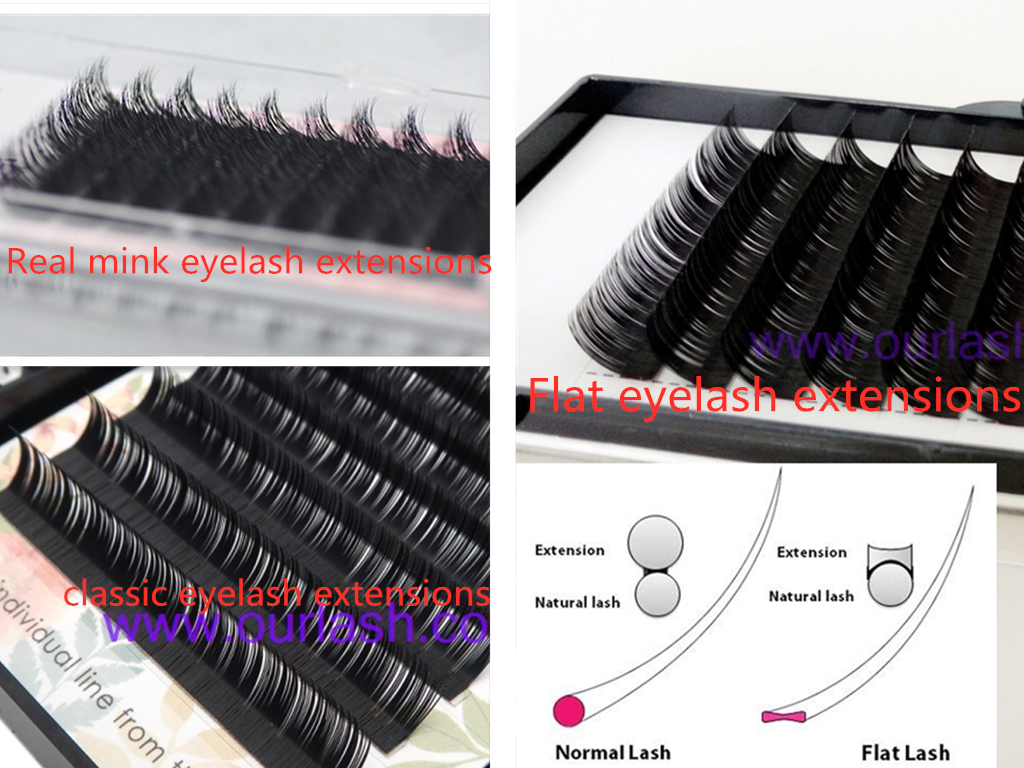
However, cost reduction will inevitably lead to quality compression for most low-priced products. The first obvious gap lies in raw materials. High-quality false eyelashes usually adopt imported Korean PBT or German PBT fibers. These materials are soft, elastic, not easy to deform, and maintain stable curl after long-term wear. In contrast, ultra-cheap false eyelashes often use recycled mixed fibers or low-grade domestic PBT. Such materials are stiff, rough, easy to tangle, and lose their curl after only one or two uses. Some inferior lashes even mix coarse miscellaneous hair, which looks unnatural and easily irritates the sensitive skin around the eyes.
Secondly, the lash band and adhesive quality are greatly reduced in cheap products. A good lash band is made of soft cotton, thin fish line or flexible transparent material, which fits the eyelid perfectly without foreign body sensation. Cheap false eyelashes mostly use thick and hard plastic bands or rough thick cotton bands. They are stiff and uncomfortable to wear, easy to warp, and cannot fit the eye curve, resulting in gaps and easy falling off. For self-adhesive false eyelashes, high-quality glue has moderate viscosity, skin-friendly formula, and can be reused many times. Low-cost glue uses cheap chemical ingredients, with excessive or insufficient stickiness, short service life, and it is easy to cause redness and itching on the eyelids.
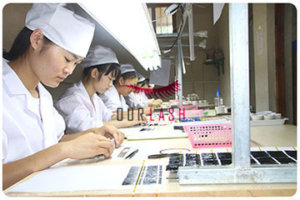
Production craftsmanship is another key difference between cheap and high-quality false eyelashes. High-quality products adopt refined cutting, neat hair arrangement, tight stitching, and are not easy to shed hair during wearing or cleaning. Regular manufacturers will strictly screen defective products to ensure uniform length and neat overall appearance. On the contrary, ultra-low-cost eyelashes are mostly produced by rough machine processing without careful inspection. The hair arrangement is messy, the cutting is uneven, and the fiber shedding is serious. Machine gluing is often uneven with insufficient glue volume, which shortens the service life and wearing experience.
It is worth mentioning that not all cheap false eyelashes are of poor quality. Many regular large factories rely on streamlined automated production, optimized management and large order volume to reduce costs reasonably. These cost-effective products maintain qualified raw materials and basic workmanship, meeting the daily needs of ordinary consumers. Their quality is stable and far better than those ultra-low-cost inferior products produced by small workshops.
In conclusion, the price of false eyelashes is getting lower nowadays, but the quality is definitely not uniform. Reasonably priced products from formal manufacturers can balance cost and quality, while those overly cheap eyelashes cut corners on raw materials, materials and craftsmanship, leading to poor comfort, short service life and potential skin risks. When buying false eyelashes, consumers should not only focus on low prices, but also pay attention to material, softness, workmanship and brand credibility. Only by choosing cost-effective products rationally can we enjoy a comfortable and safe makeup experience.
This is OURLASH, a lash manufacturer in China. If you have any questions, please contact with us.