South Korea has long been a global trendsetter in beauty and cosmetics, and its false eyelash industry is no exception. In 2026, Korean lash trends are defined by a perfect blend of natural aesthetics, advanced material science, and ethical consciousness. The most popular materials have evolved far beyond traditional options, focusing on lightweight comfort, realistic appearance, long-lasting curl retention, and cruelty-free production. Understanding these trending materials can help consumers navigate the vast Korean beauty market and find products that align with their preferences for both style and functionality.
The undisputed gold standard in Korean false lashes and extensions is PBT (Polybutylene Terephthalate) fiber. This advanced thermoplastic polymer has revolutionized the lash industry, becoming the foundation for most premium Korean lash products, including “faux mink” and “silk” variations. Korean manufacturers have mastered the art of manipulating PBT fibers to create different textures and finishes that mimic natural lash characteristics perfectly.
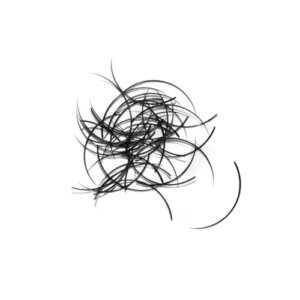
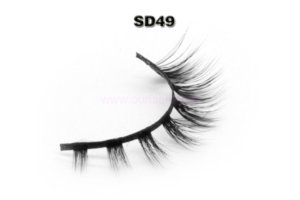
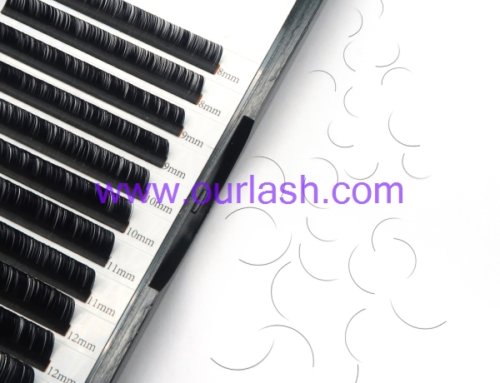
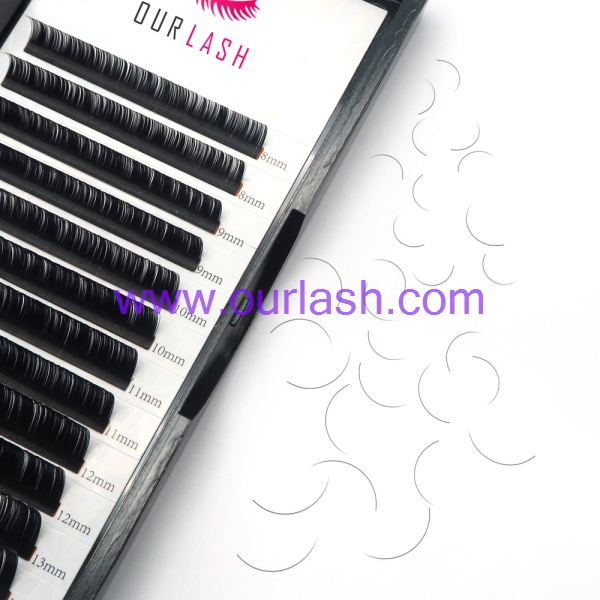
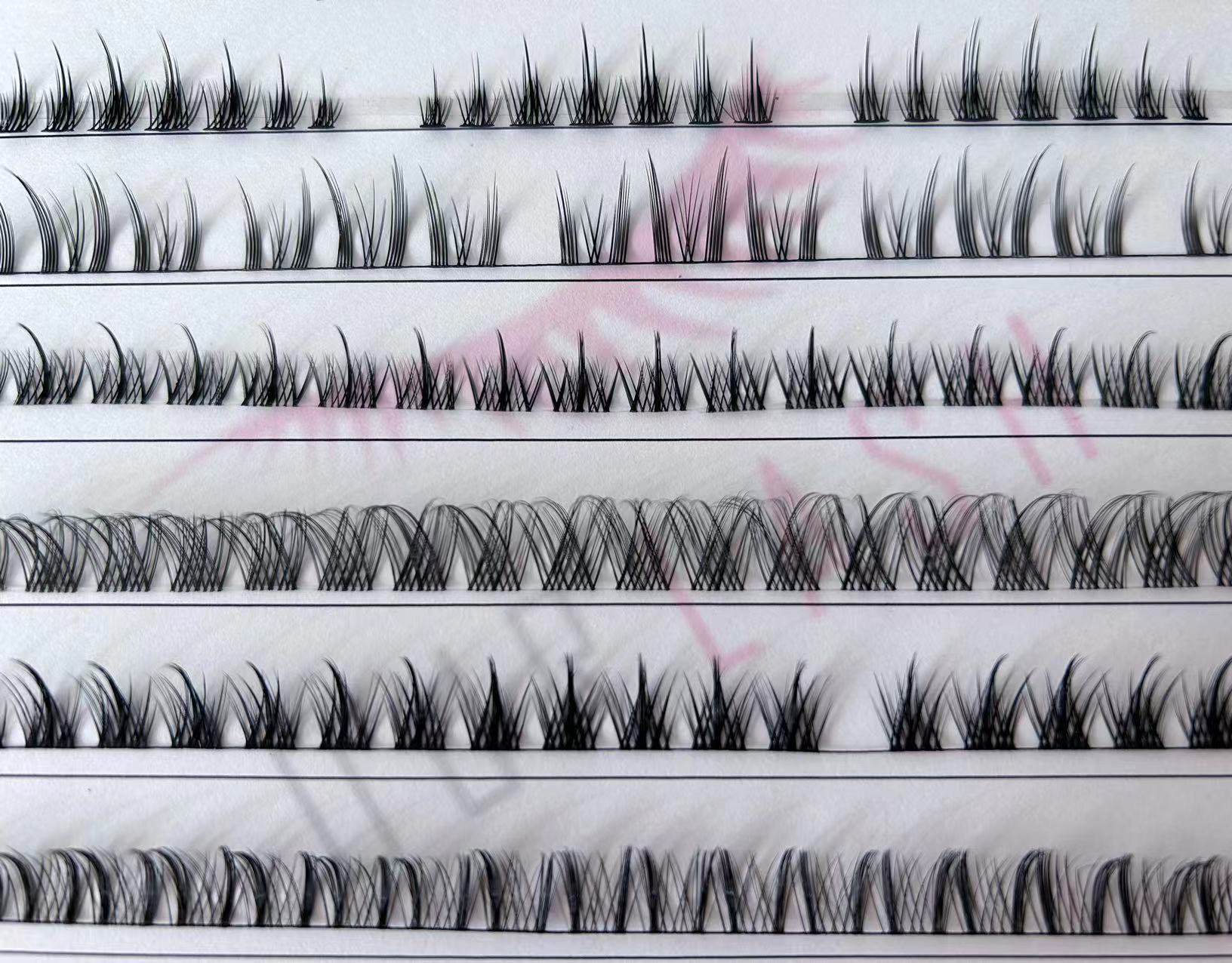
PBT lashes come in two dominant styles in Korea: faux mink and silk. Faux mink PBT lashes are crafted with a tapered tip and a slightly textured surface that replicates the soft, fluffy appearance of real mink hair. They offer a natural yet voluminous look that has become a staple in Korean daily makeup routines. Silk PBT lashes, on the other hand, feature a smoother surface with a subtle matte finish that diffuses light, creating an ultra-natural effect ideal for “no-makeup” makeup looks that Korean beauty enthusiasts adore. Both variations are typically available in ultra-fine diameters (0.03mm to 0.1mm), making them lightweight enough for all-day wear without causing discomfort or straining natural lashes.
What sets Korean PBT lashes apart is their exceptional performance characteristics. These fibers are 40% lighter than standard synthetic lashes, ensuring comfortable wear even during long hours or humid conditions common in Korea. They also have superior shape memory, retaining their curl for months after application—critical for lash extensions that need to maintain their appearance through daily activities. Additionally, PBT is hypoallergenic, cruelty-free, and resistant to heat, chemicals, and sweat, addressing common concerns among Korean consumers about eye health and ethical beauty choices.
A rising star in Korean lash materials is BASF silk, developed by the German chemical giant in collaboration with Korean beauty brands. This innovative material uses microfilament technology to create strands thinner than human hair, with a sophisticated matte finish that eliminates the glossy “costume” look often associated with cheaper synthetic lashes. BASF silk lashes blend seamlessly with natural lashes, creating an undetectable enhancement that’s perfect for Korean minimalist makeup trends. They’re particularly popular among office workers and students who want to look polished without appearing overly made-up.
For those seeking a more natural alternative, medical-grade synthetic fibers are gaining traction in Korea. These hypoallergenic materials are specifically formulated to be gentle on sensitive eyes, making them suitable for contact lens wearers and individuals with eyelid allergies—common concerns in a country where eye makeup is a daily ritual. Medical-grade synthetic lashes are also designed to resist shedding and clumping, ensuring a neat appearance throughout the day even in Korea’s humid climate. Many Korean brands market these as “everyday lashes” that require minimal touch-ups.
While PBT and synthetic materials dominate the market, ethical alternatives to real animal hair are also popular in Korea’s cruelty-conscious beauty culture. Real mink lashes have declined significantly in popularity due to ethical concerns and animal welfare advocacy, with most Korean consumers preferring high-quality faux alternatives that offer the same softness without harming animals. Some brands have even developed innovative plant-based fibers, though these remain niche compared to PBT’s widespread adoption.
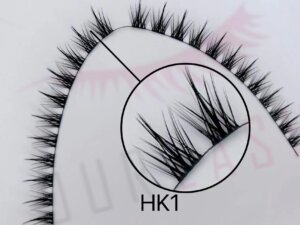
The choice of lash material in Korea is closely tied to specific beauty trends and lifestyles. Ultra-thin PBT lashes (0.03-0.05mm) are favored for the “ulzzang” (best face) look, characterized by natural, dewy skin and subtle eye enhancement. Thicker PBT fibers (0.07-0.1mm) are used for more dramatic “girl crush” or K-pop idol-inspired styles that feature bold eye makeup. Meanwhile, BASF silk and medical-grade synthetics are popular for professional settings where a polished yet understated look is preferred.
Another key trend in Korean lash materials is the focus on sustainability. Many brands now use recyclable packaging for their lash products, and some are exploring biodegradable PBT alternatives that maintain performance while reducing environmental impact. This aligns with growing consumer demand in Korea for eco-friendly beauty products that don’t compromise on quality.
In conclusion, Korean false lash materials in 2026 are defined by innovation, functionality, and ethical awareness. PBT fiber reigns supreme as the most versatile and high-performance option, with faux mink and silk variations dominating both daily wear and professional extension markets. Emerging materials like BASF silk and medical-grade synthetics offer specialized benefits for consumers with specific needs, while sustainability and cruelty-free production remain central to Korean beauty values. When choosing Korean lashes, understanding these material differences allows consumers to select products that deliver the perfect combination of natural appearance, comfort, and durability—core principles of Korean beauty philosophy that continue to influence global trends.
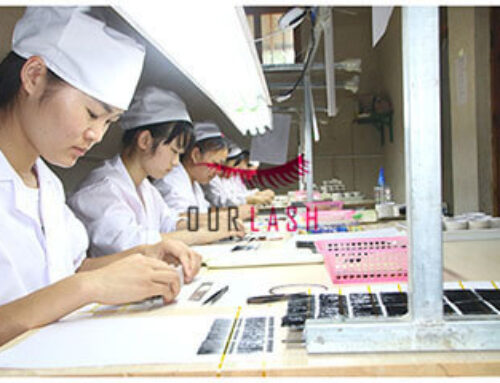
This is OURLASH, a professional eyelash manufacturer in China. Please contact with us if you have any questions.