The global false eyelash market is projected to surpass $1.9 billion by 2027, and private label products represent the fastest-growing segment within it. Whether you are a salon owner tired of selling someone else’s brand, a lash artist ready to build equity in your own name, or a beauty entrepreneur looking to enter a high-margin category with low startup risk — private label lashes are the most accessible path to brand ownership in the beauty industry.
But “private label” means very different things depending on who you ask. For some manufacturers, it means slapping a sticker on a generic tray. For a professional factory, it means a structured OEM program: custom packaging, curated product selection, consistent quality across repeat orders, and a supply partner who treats your brand like a business, not a transaction. This guide covers every decision you need to make — from product selection and MOQ to packaging design and supplier vetting — so your first order sets you up for repeat sales, not costly returns.
What Are Private Label Lashes?
Private label lashes are eyelash products manufactured by a professional factory but sold under your own brand name, logo, and packaging. Unlike wholesale — where you resell a generic product as-is — private label gives you ownership of every customer-facing element: the box, the tray wallpaper, the instruction inserts, the brand story.
The model works because it separates manufacturing complexity from brand building. You do not need to own a production line, source raw PBT fiber, or manage curl-baking ovens. The factory handles production, quality control, and logistics. You handle brand identity, marketing, and customer relationships. This is the same model used by most beauty brands on Amazon, Shopify, and Instagram — the products on the shelf are almost always made by a small number of specialized manufacturers, differentiated entirely by brand, packaging, and curation.
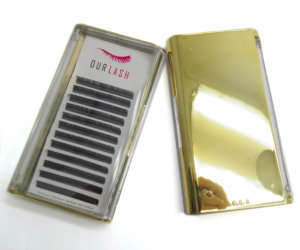
Who Should Launch a Private Label Lash Line?
Private label is not one-size-fits-all. The right product mix, packaging level, and order volume depend entirely on who your customer is:
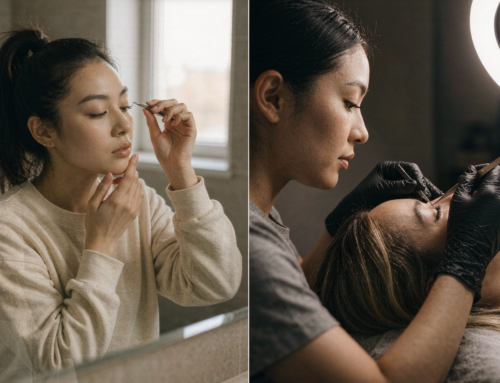
- Salon owners and lash artists— Start with classic and volume trays in the curl and thickness ranges your clients already use. Packaging should be clean, professional, and fast to read. You are selling trust, not novelty.
- Ecommerce beauty brands— Hero products with visual packaging, brand story, and an unboxing experience. This buyer group cares most about shelf appeal and social media presentation. Start with 2–4 hero SKUs, not a full catalog.
- Distributors and wholesalers— Broader catalog, but strict SKU codes, carton labeling, and reorder clarity. Warehouse efficiency matters more than decorative packaging.
- Lash training academies— Practice-friendly trays and structured kits. Packaging should support education — clear labels, consistent sizing, no surprises between training batches.
- Influencers and content creators— Small-batch launches with premium packaging. Low initial MOQ, high visual impact, social-media-first design.
Products You Can Private Label
Most professional lash factories support private label across multiple product categories. The key is starting with a focused line that matches your customer base:
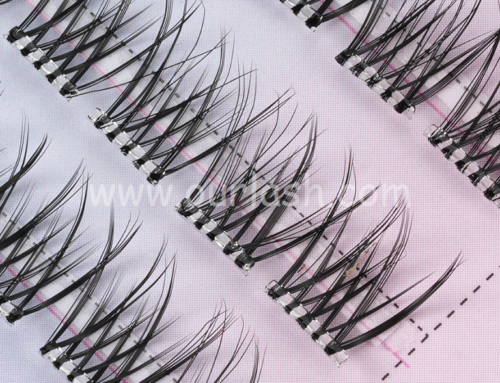
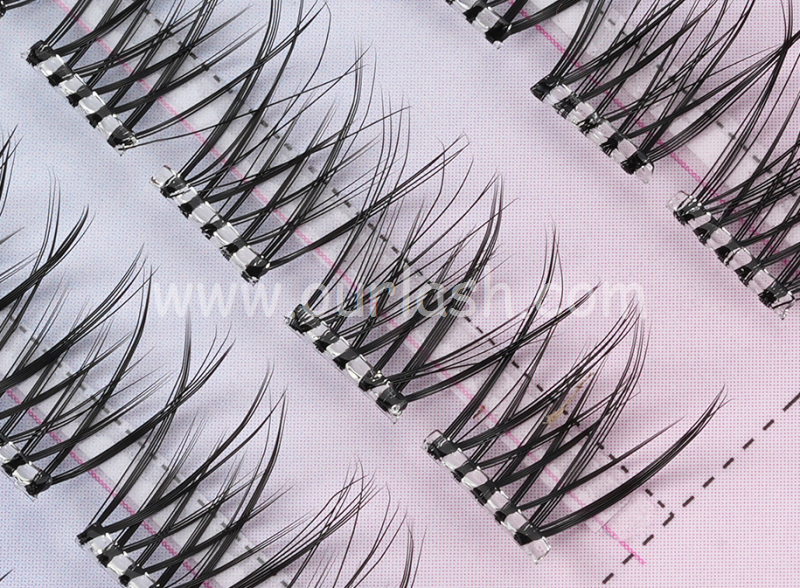
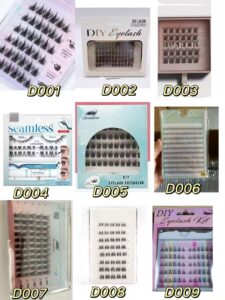
Cluster lashes (pre-glued and regular) — The fastest-growing category in 2026. Pre-glued cluster lashes are ideal for DIY consumers and social media-driven brands. Our private label pre-glued lash clusters PDL81-PDL96 are designed for brands entering this segment with low MOQ and full packaging customization.
Classic lash extensions — The staple product for professional lash artists. Focus on a core curl range (C, CC, D) in 0.05–0.10mm thickness before expanding to specialty curls.
Volume and premade fan lashes — For advanced artists and salons that value speed and consistency. Premade fans reduce application time and create a more uniform look across clients.
DIY lash kits — Complete sets including clusters, bond, seal, applicator, and instructions. This category converts well for ecommerce because the customer gets everything in one purchase. See our DIY lash kits for private label-ready configurations.
Lash glue and accessories — Add these only when storage, compliance, and usage education are ready. Glue has shorter shelf life and stricter shipping regulations than lashes, so factor that into your launch plan.
MOQ: What to Expect
Minimum order quantity varies by customization level and supplier. Here are industry-standard ranges based on multiple manufacturer programs:
| Customization Level | Typical MOQ | Best For |
| Custom tray wallpaper + sticker only | 100–200 trays | First-time brand launch, market testing |
| Custom outer boxes + full branding | 100–500 trays | Established brands, retail distribution |
| Custom paper case with printed logo | 100–500 cases | Premium positioning, gift-ready packaging |
| Fully custom OEM collection | 200–500+ trays | Large distributors, multi-SKU catalogs |
| Standard trays (no customization, sample order) | 10–100 trays | Quality testing before committing to bulk |
Most professional manufacturers allow mixed styles within the total MOQ — for example, 100 trays split across 3–4 curl types rather than 100 of a single SKU. Always confirm mix flexibility before placing your order.
For brands testing the market, a smart launch configuration is: 3 lash styles × 40 trays each = 120 trays total, with custom stickers plus custom wallpaper. This keeps costs low while delivering a branded identity customers can recognize and reorder.
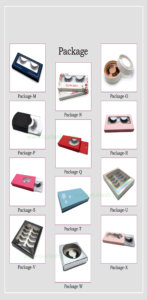
Packaging: Your Brand’s First Impression
Packaging is what separates a private label brand from a generic reseller. Every customer-facing surface is an opportunity to communicate quality and identity:
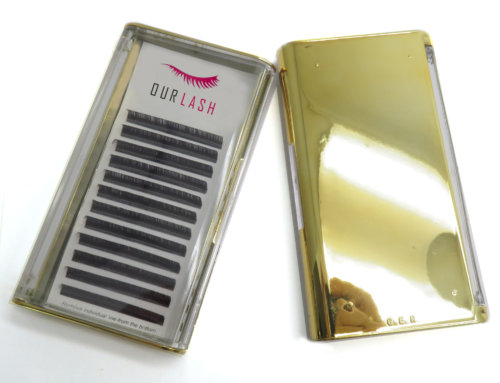
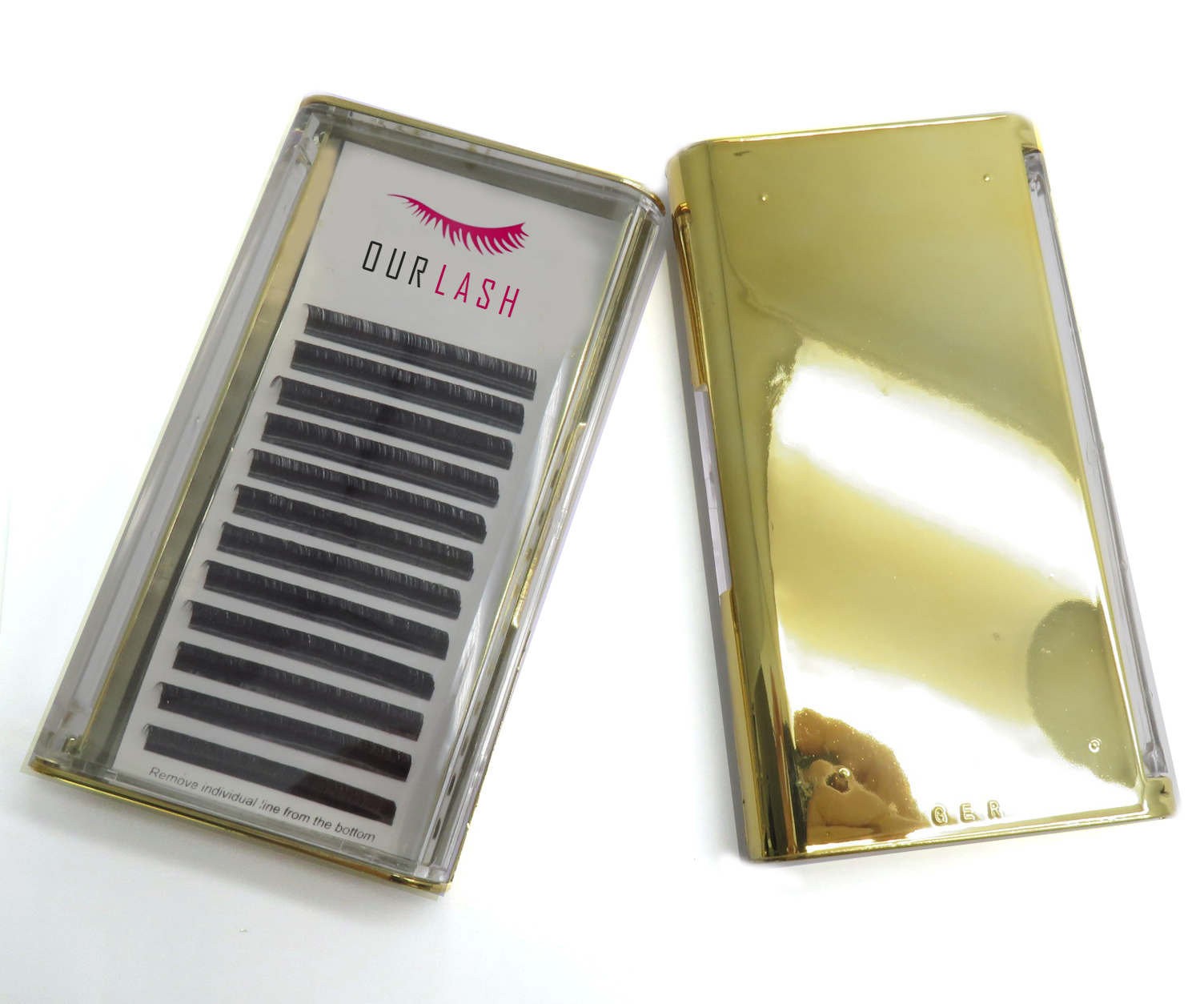
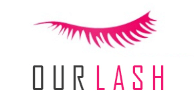
Tray wallpaper (background cards) — The card inside the lash tray. Customize with brand colors, patterns, gradient designs, metallic foil elements, and logo positioning. This is the lowest-cost, highest-impact customization point.
Labels and stickers — Include your logo, curl type, thickness, length, and product name. Finishes range from matte and glossy to metallic foil and UV spot coating. Most manufacturers offer free label design with your order.
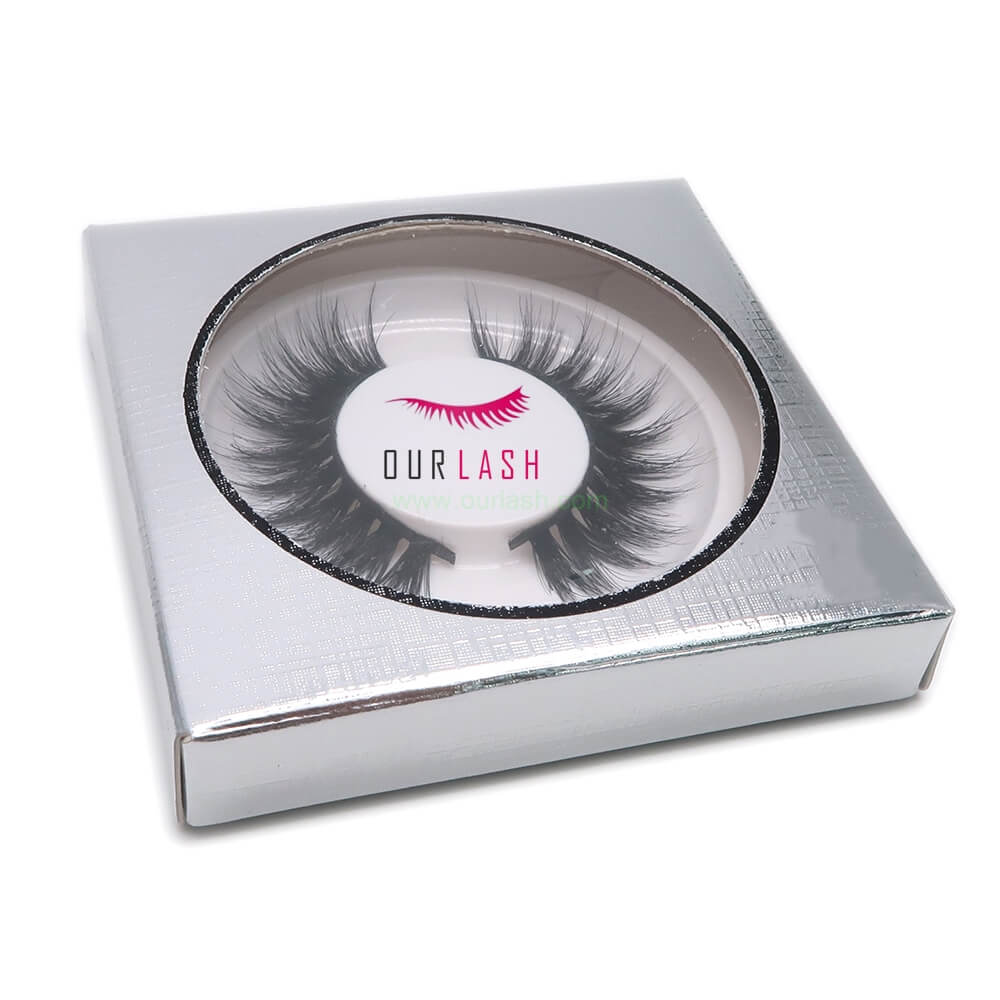
Tray cases — Options include clear plastic, frosted, black or white matte, premium hard case, and eco-friendly paper tray. The material and finish change perceived value significantly.
Outer boxes — Magnetic paper boxes, drawer-style boxes, acrylic boxes with transparent lids, and eco-friendly kraft paper. This is where full brand personality comes through — minimalist luxury, bold beauty, or natural eco-friendly concepts.
For brands on a budget, start with: custom tray wallpaper + custom stickers + standard clear tray case. Upgrade to custom outer boxes once sales validate the product line and you are ready to scale.
The Private Label Process: Step by Step
- Select your product mix— Choose 2–4 hero styles based on your customer profile. Submit curl, thickness, length, and fiber preferences. A good manufacturer will recommend configurations based on your target market.
- Submit your brand assets— Provide your logo in vector format (AI, PDF, or high-resolution PNG). Share brand colors, fonts, and any design references. Most factories have in-house designers who create mockups for your approval.
- Review packaging mockups— The manufacturer prepares 2D and 3D mockups of your tray wallpaper, labels, and boxes. Approve or request revisions before production begins. Lead time for packaging design is typically 7–14 days.
- Order and test samples— Never skip this. Test the lashes for curl retention, band comfort, fiber softness, and adhesive compatibility. Test the packaging for print quality, color accuracy, and structural durability during shipping. Sample production typically takes 5–7 working days.
- Approve and place bulk order— Once samples meet your standard, finalize quantities and confirm production timeline. Bulk production typically takes 14–30 working days depending on order size and packaging complexity.
- Quality inspection and shipping— The factory performs final QC (AQL-based sampling). Confirm shipping method — express (3–5 days), air freight (7–10 days), or sea freight (20–30 days) — based on your timeline and budget.
Cost Factors and Budget Planning
Private label pricing depends on five main factors: fiber quality (Korean PBT commands a premium over standard synthetic), tray count, packaging complexity (foil stamping and embossing add cost), curl and thickness specificity, and shipping method.
A typical first-order budget for a small brand launching with 100 trays and custom packaging runs from $300–$800 depending on these variables, excluding shipping. That gets you a branded product line with your logo, custom wallpaper, and professional packaging — ready to sell at 3–5× markup at retail. Compared to most business startup costs, private label lashes have one of the lowest barriers to entry in the beauty industry.
5 Common Private Label Mistakes (and How to Avoid Them)
- Launching with too many SKUs.The most successful brands start with 2–4 hero products, build demand, then expand. A 24-style catalog on day one means high inventory, confusing customer education, and weak focus.
- Choosing suppliers on price alone.If four manufacturers quote similar prices and one is 40% lower, you are not getting a deal — you are getting substandard fiber or a trading company with no production control. Vet your vendor thoroughlybefore committing.
- Skipping the sample stage.Packaging mockups on a screen look different than a physical box in your hand. Lashes that curl perfectly in a photo may not hold curl after 48 hours of wear. Sample everything before production.
- Ignoring reorder consistency.A private label program is not a one-time purchase — it is a supply relationship. Confirm that your manufacturer can reproduce the same fiber quality, curl retention, and packaging finish across repeat orders. Your second order must match your first.
- Treating packaging as an afterthought.Packaging is the first physical interaction a customer has with your brand. If the box looks generic, the product inside is assumed to be generic — regardless of quality. Invest in presentation from day one.
FAQ
Q: Do I need to own a factory to start a private label lash brand?
No. Most successful lash brands partner with an experienced OEM manufacturer who handles production, while the brand owner handles marketing, sales, and customer relationships.
Q: What is the typical MOQ for a first private label order?
50–100 trays for sticker and wallpaper customization; 100–300 trays for full custom packaging. Many manufacturers allow mixed styles within the total MOQ. Always confirm mix flexibility.
Q: How long does the private label process take from start to finish?
Approximately 4–6 weeks: 1 week for packaging design and mockups, 1 week for sample production, 2–4 weeks for bulk production, and 3–5 days for express shipping. Plan accordingly, especially before launch dates or seasonal peaks.
Q: Can I use my own packaging design or do I have to use the factory’s templates?
Most manufacturers accept your own design files. Submit your logo and brand guidelines, and the factory’s design team will prepare mockups for your approval. The design service is typically free with your order.
Q: What is the difference between private label and OEM/ODM?
Private label means branding an existing product with your logo and packaging. OEM (Original Equipment Manufacturing) means the factory produces a product to your specifications — custom curl, fiber blend, or exclusive design. ODM (Original Design Manufacturing) means the factory designs a product you brand and sell. Private label is the fastest and most affordable starting point for new brands.
Q: Can I private label cluster lashes, or is it only for classic extensions?
You can private label any lash product type — cluster lashes, pre-glued lashes, DIY kits, classic trays, volume fans, and even lash glue. Our pre-glued cluster lashes PDL81-PDL96 and private label PF06 clusters are both fully customizable with your brand packaging.