False eyelashes are a global beauty staple, yet trending lash styles vary greatly across different countries and regions. A lash look that is considered natural and everyday in one nation may appear overly exaggerated or unnatural in another. While false eyelashes serve the same purpose of beautifying the eyes, consumers in East Asia, Western countries, Latin America, and the Middle East hold completely different preferences in lash thickness, curl, length, density, and shape. These regional differences are not random fashion trends; they are shaped by diverse facial structures, ethnic aesthetics, local makeup cultures, and daily living scenarios.
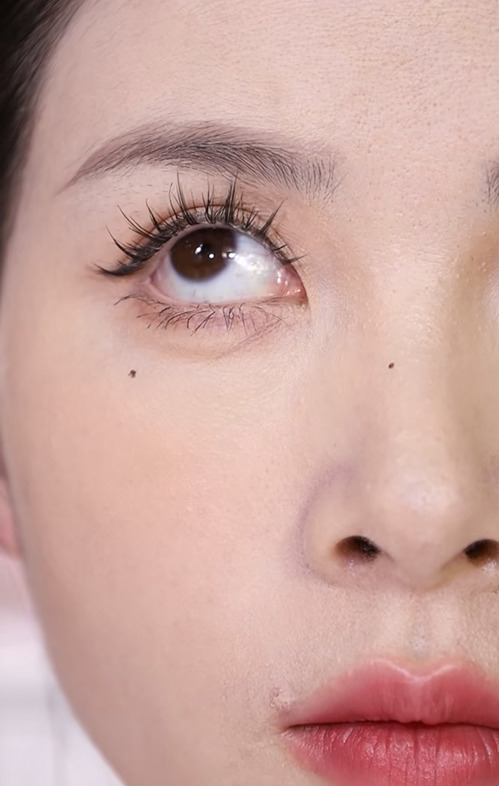
The most fundamental reason for different lash trends worldwide lies in ethnic facial and eye structure differences. Physical features vary significantly among races, which determine which eyelash styles can fit harmoniously and flatter the eye shape. Most East Asian people have relatively flat orbital bones, shallow eye sockets, and softer eyelid tissue, and many have mild puffy eyelids. If overly thick, heavy, or super-voluminous false eyelashes are applied, the dense lash mass will press down on the eyelids, make the eyes look smaller, and create a tired, bulky appearance. Therefore, Chinese, Japanese, and Korean consumers consistently favor lightweight, thin, wispy, and segmented lashes with moderate curl. These styles lift the eyes subtly without overwhelming flat facial features.
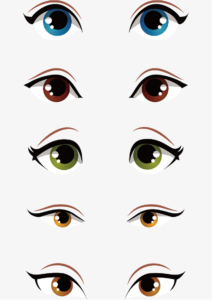
In comparison, Western populations in the United States and Europe generally have deep eye sockets, three-dimensional facial contours, and high brow bones. Their stereoscopic eye structure can easily support long, dense, and dramatic false eyelashes. Thick clustered lashes and strong curly styles do not weigh down their eyes; instead, they further amplify eye depth and create striking facial contrast. Similarly, people from Middle Eastern and Latin American countries have distinct three-dimensional eye features. They prefer ultra-dense, layered, and glamorous lash styles that look bold, gorgeous, and highly expressive.
Secondly, regional aesthetic cultures greatly influence local lash preferences. Every country forms its own fixed standard of beauty over time. East Asian mainstream aesthetics advocate youthfulness, purity, tenderness, and subtle beauty. The core of Asian eye makeup is “enhancing without exaggeration”. Therefore, natural puppy-eye lashes, gentle outer-corner lifted styles, and invisible segmented clusters dominate the East Asian market. Consumers pursue a “no-makeup makeup” effect, hoping others can notice brighter eyes without detecting obvious false lashes.
On the contrary, American and British beauty aesthetics value individuality, confidence, and visual impact. Western makeup focuses on three-dimensional contouring and strong facial contrast, matching smoky eyes, bold blush, and dark lip colors. In this makeup system, plain and thin lashes will look weak and incomplete. As a result, dramatic full-strip lashes, spiky textured styles, and super-long volume lashes have always been mainstream in Western markets. Middle Eastern aesthetics favor luxurious and gorgeous makeup for festivals, banquets, and family gatherings, making ultra-thick layered false eyelashes a local classic trend.
Thirdly, local daily lifestyles and makeup habits further widen global style gaps. In most East Asian countries, minimalist light makeup is the social mainstream for school, office work, and daily commuting. Heavy and exaggerated eye lashes are considered inappropriate for daily professional and casual scenarios. Thus, reusable thin segmented lashes and natural cluster lashes are the most practical and popular choices.
In Western and Latin American countries, social life is more diverse. Parties, nightlife, street shooting, and social media content creation are common daily activities. Local consumers need eye-catching makeup that performs well under lights and cameras. Dramatic false eyelashes can strengthen eye expression, improve facial recognition, and look more vivid in photos and videos. In addition, Western consumers regard makeup as a way of self-expression, so bold, personalized, and exaggerated lash styles are more popular and acceptable.
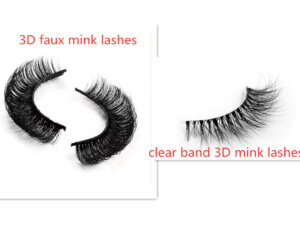
Finally, local beauty industry and social media trends continuously strengthen regional characteristics. K-beauty and J-beauty promote soft, fresh, and delicate lash styles in Asia, forming a unified Asian subtle beauty system. In contrast, European and American beauty influencers on Instagram and YouTube tend to create high-glamour, stage-style makeup, guiding local consumers to pursue thicker and longer lash effects. These localized viral trends stabilize regional aesthetic preferences and make cross-country lash style differences more obvious.
In conclusion, the popularity of different false eyelash styles in different countries is a comprehensive result of physical characteristics, aesthetic culture, daily scenarios, and fashion trends. No single lash style can suit all people worldwide. The most popular style in each region is always the one that best fits local facial features, living habits, and aesthetic values. Understanding these differences helps consumers choose suitable false eyelashes according to their own eye conditions and personal styles, instead of blindly following foreign beauty trends.
This is OURLASH, please contact with us if you have any questions.