The median classic full set in the US now runs $175. A mega volume set in Manhattan? $415. Ask ten people what they think they’re paying for and you’ll get ten different answers — most of them wrong. The chair time is obvious. The rest of the bill — the adhesive, the artist’s training, the rent, the tray of lashes that cost less than your lunch — almost nobody outside the industry can price out.
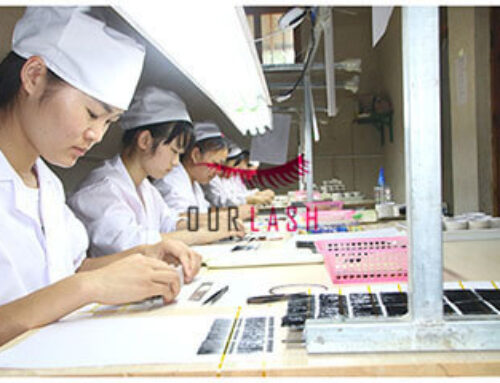
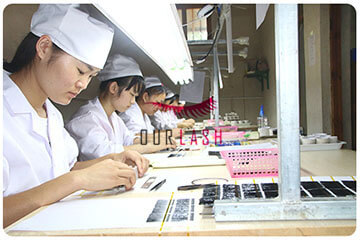
We manufacture lash extension trays and cluster lashes for studios and brands in over 30 countries, so we sit at the very bottom of this cost chain. That gives us an unusual vantage point: we know what a tray costs when it leaves our factory in Qingdao, what a distributor marks it up to, what a salon pays, and what you ultimately get charged. This breakdown follows the money from your invoice all the way back down the supply chain.
What You Pay at the Salon: 2026 Numbers
Verified 2026 pricing across a network of 410+ licensed lash artists puts the national medians at:
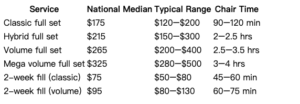
Geography moves these numbers hard. The same classic full set that costs $135 in Phoenix runs $245 in New York — a 21% spread above and 18% below national median at the extremes. Full-set pricing rose 9.4% between 2024 and 2026, outpacing the broader beauty service index, driven mostly by studio rent and adhesive costs. A Tribeca studio pays $11,000–$18,000 a month in rent. A Phoenix studio pays $2,400–$4,200. That difference shows up in your invoice, not in your lashes.
The Part Nobody Shows You: What a Set Actually Costs the Salon
Here’s where it gets interesting. Pull apart a $175 classic full set and the physical products are a rounding error:
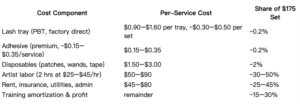
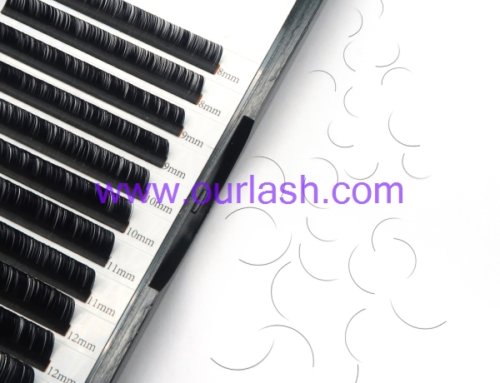
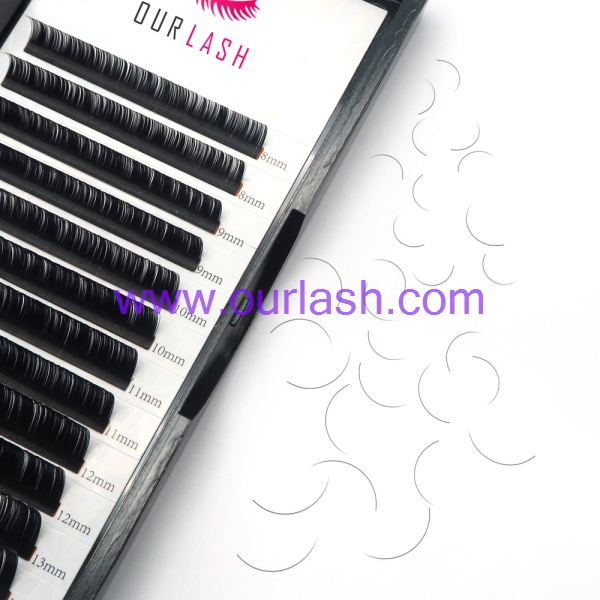
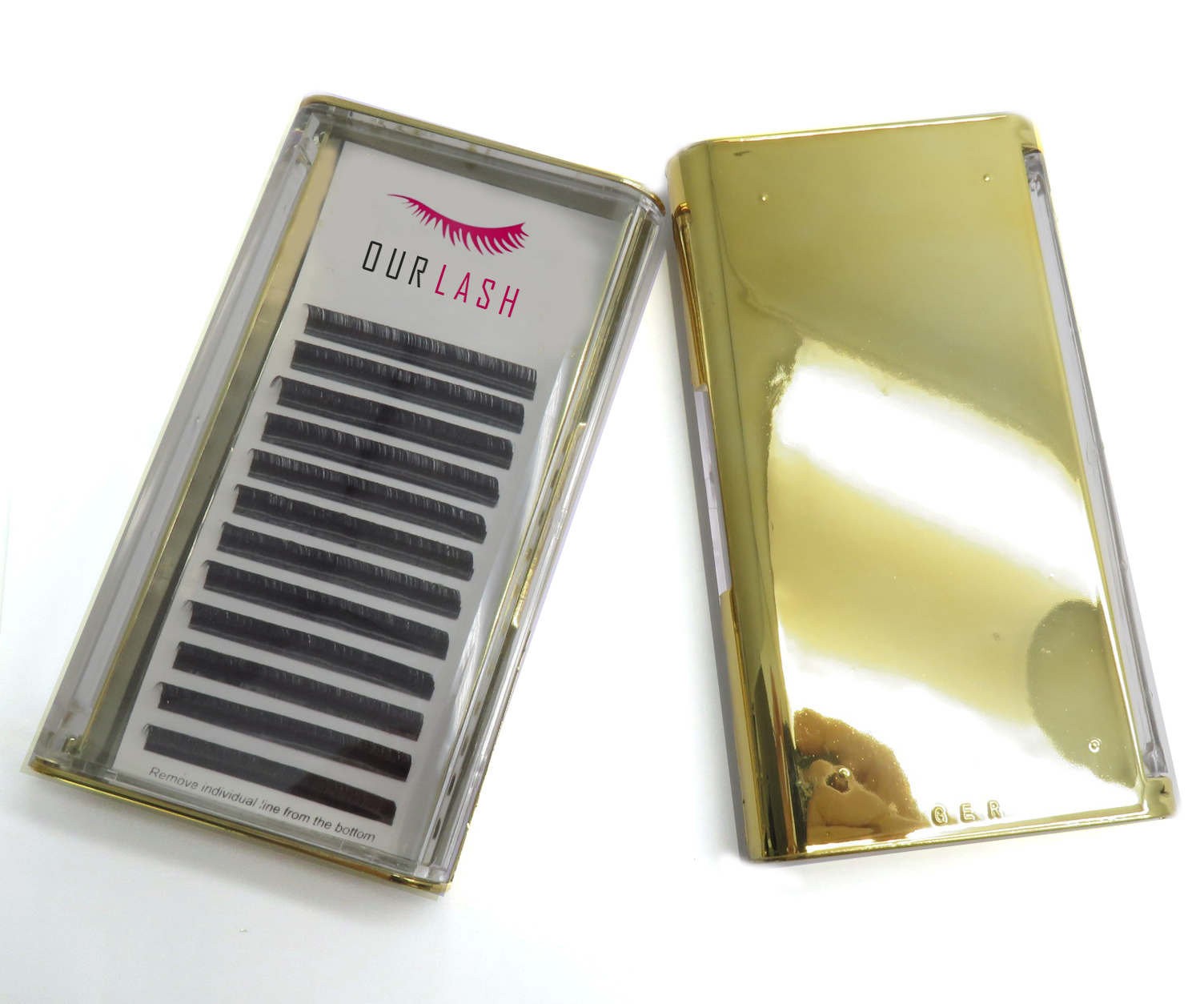
Read that first row again. The lashes themselves — the thing you think you’re buying — cost the salon well under a dollar per set. Current wholesale pricing on PBT trays runs $1.39–$2.50 per tray from B2B marketplaces, and a single tray covers roughly three full classic sets. This is the part of the industry outsiders never see: you’re not paying for lashes. You’re paying for a trained pair of hands, a chair in a licensed space, and the artist’s judgment on curl mapping and isolation.
For salon owners and lash brands doing this math from the buying side, our wholesale price guide covers tray pricing by type, MOQ tiers, and the hidden costs suppliers don’t quote upfront.
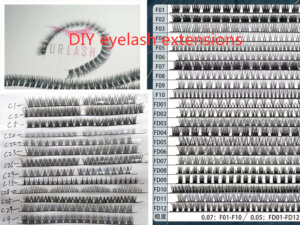
Why Two Studios Charging $120 and $250 Are Not Selling the Same Thing
Price tiers in this industry are not arbitrary, though some of them are marketing. What actually differs:
Adhesive quality and freshness. Premium cyanoacrylate formulations cost the studio 3–4× a basic adhesive and pass through as $15–$35 of the bill. Budget salons keep bulk adhesive open for months past its shelf life; better studios open a fresh bottle every 4–6 weeks. The retention difference is measurable — often 30–50% better hold with fresh product. An adhesive that’s gone off doesn’t just wear out faster. It irritates.
Chair time. A $79 full set takes 45 minutes because the salon needs volume to make the math work. A $200 set takes 2 to 2.5 hours because the artist isolates every natural lash and maps the design to your eye shape. Rushed isolation is how lashes shed early and natural lashes get damaged. You are quite literally paying for the hour you’re not in the chair at the cheap place.
Credential tier. A NALA Certified artist or NovaLash Master commands $30–$70 more per set than a generally licensed esthetician with a weekend lash add-on course. Whether that premium is worth it depends on the set — for classic work, a solid licensed artist is often enough. For mega volume, training genuinely matters; 8D–14D fans made on 0.03–0.05mm fiber is handcraft, and sloppy handcraft shows.
The Annual Math Nobody Quotes You Upfront
The full set is not the cost. The fills are the cost. Natural lashes shed on a 6–8 week cycle, and extensions fall with them, so a consistent client books a fill every 2–3 weeks. Run the annual numbers:
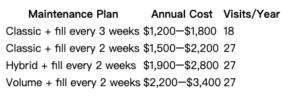
One counterintuitive finding from the fill data: a 3-week cadence is usually 8–12% cheaper per year than a 2-week cadence, even though each individual fill costs more. Fewer appointments, less total spend, a slightly less full look at the end of each cycle. If budget matters, stretch to three weeks — the math is unambiguous.
The DIY Cluster Alternative: A Different Cost Structure Entirely
Since 2023 a middle path has pulled serious market share from salon extensions: DIY cluster lashes, applied under your natural lashes at home in 15–30 minutes. The cost profile looks nothing like salon extensions:
- Salon extensions:$1,500–$3,400/year, 18–27 appointments, professional application
- DIY clusters (bond + seal systems):$320–$720/year, applied at home, 5–7 days wear per set
- Strip lashes:$80–$360/year, nightly application, reusable 5–20 wears per pair
The trade-off is durability and finish. Clusters don’t last as long as a well-applied extension set, and the look — while dramatically better than strips — sits a notch below a skilled volume artist’s work. But at roughly a quarter of the annual cost and zero appointments, the value case is why DIY cluster sales are growing at double-digit rates while salon extension demand stays flat.
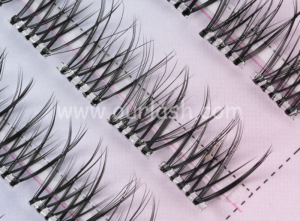
For buyers sourcing clusters at volume, our pre-glued cluster lashes (PDL01–PDL16) and DIY lash kits are factory-direct — the same products that get private-labeled and sold at 4–6× markup through retail channels. If you’re a studio owner or brand, understanding this markup structure is how you build a retail revenue line on top of your service line.
For Lash Artists and Brands: Where the Margin Actually Lives
If you’re on the selling side of this market, the cost breakdown tells you three things:
Product cost is not your problem — sourcing discipline is. When a tray is $0.30–$0.50 per set, nobody wins by squeezing suppliers on price. What matters is consistency: trays that release cleanly, curls that hold, adhesive with reliable lot numbers. A bad batch doesn’t cost you $2. It costs you a client’s retention, a redo, and a review. That logic applies whether you’re buying 10 trays or 10,000 — and it’s why we tell first-time buyers to order samples and test before committing volume, not after.
Retail is the quiet profit center. Studios selling aftercare and take-home cluster kits raise average ticket with zero extra chair time. A cluster kit that costs $2.66 wholesale retails at $12.92 — that’s not a margin, that’s a business model. Salons that figure this out stop competing purely on service pricing.
Your pricing should reflect your costs, not your competitor’s ad. An artist paying booth rent has a completely different cost structure than one paying $11K a month in a prime district. Copying the cheap studio’s menu prices while carrying a premium studio’s overhead is the most common way independent artists quietly go broke.
The Bill Nobody Prices In: When Cheap Sets Go Wrong
Australian salon data tracks what happens after discount sets fail, and the numbers are worth sitting with. A botched $60 set can end up costing you a 3–6 month break from extensions while your natural lashes recover, a $150+ prescription serum bottle or two to repair the damage, occasionally a doctor visit for an adhesive reaction — and in severe cases, the inability to wear extensions ever again. Oversized extensions on weak natural lashes, industrial-grade adhesive, unhygienic tools: these are the three failure modes, and every one of them traces back to a studio cutting input costs.
The honest framing is this: a good set at $175 and a bad set at $60 are not the same product at different prices. They are different products. Budget accordingly.
Quick Answers
Why did my lash tech’s prices go up?
Adhesive costs, rent, and insurance have all risen, and full-set pricing beat general beauty inflation at 9.4% over two years. If the increase is under 10%, it’s cost pass-through. If it’s 30%, ask what changed — new certification, new product line, or new ownership.
Is a $79 Groupon full set ever worth it?
As a trial, maybe. As a habit, no. Sub-$100 sets almost always mean rushed application, aged adhesive, or both — which means worse retention and fills that come due faster. The effective annual cost of cheap sets frequently exceeds mid-tier sets because you’re re-buying full sets instead of maintaining one.
How much of the price is the lashes themselves?
Under 1%. You’re paying for labor, overhead, and expertise. This surprises people every time.
Are extensions cheaper than the DIY alternative long-term?
No. DIY clusters run $320–$720/year against $1,500–$3,400 for maintained salon extensions. Extensions win on finish and durability, not cost. Choose based on what your time and budget actually look like.
What should a first-time buyer budget?
Consumers: $175–$265 for a first classic or hybrid set plus a fill at 2–3 weeks. Pros sourcing product: $1,500–$3,000 for an initial inventory that covers classic and volume work — mostly adhesives, trays, and disposables.
OURLASH manufactures lash extension trays, pre-glued clusters, and DIY kits from our own facility in Qingdao, China — 14 years of production, exports to 30+ countries, no trading-company markup. Whether you need sample trays to test or full private label production, pricing is transparent from the first quote.