The cluster lashes market is not just growing — it is restructuring. With DIY lash kits seeing a 13.63% year-over-year surge in buyer demand on global B2B platforms and cluster-style products now accounting for over 60% of strip lash wholesale orders in key markets, the category has moved from trend to staple. But wholesale buying in 2026 is nothing like it was two years ago. Buyers are no longer asking “Can I get cluster lashes cheap?” — they are asking about PBT fiber specifications, bond compatibility, private label tray layouts, and MOQ flexibility. This guide walks through everything a wholesale buyer needs to know: what cluster lashes actually are, which materials and styles dominate, how to evaluate a factory, what to check in samples, and how to structure your first order for maximum margin and minimum risk.
What Are Cluster Lashes — and Why the Market Is Shifting Toward Them
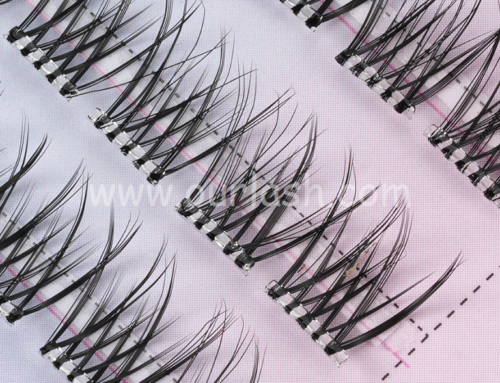
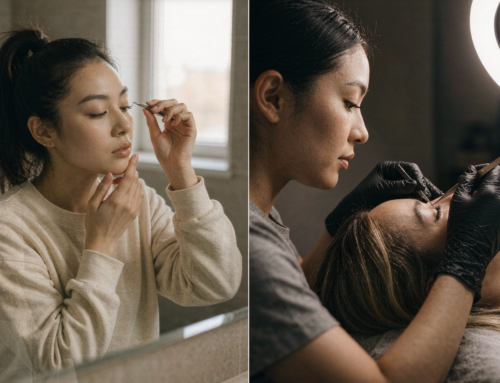
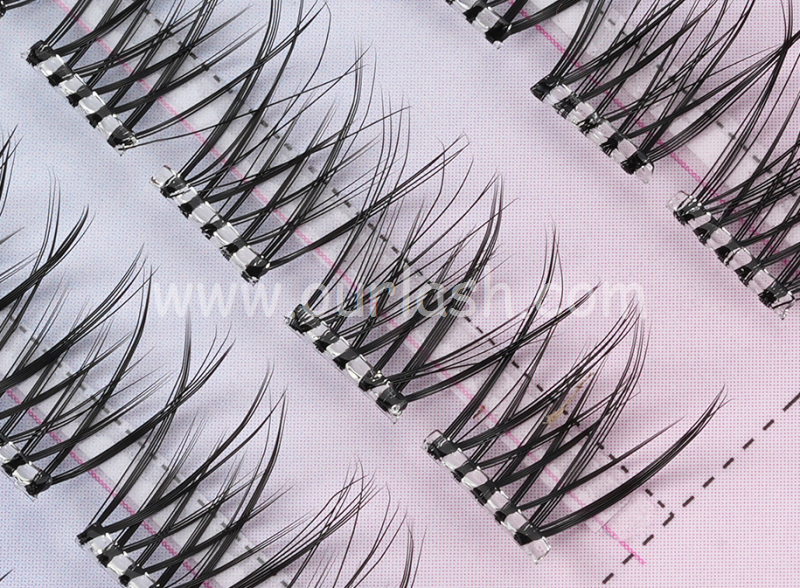
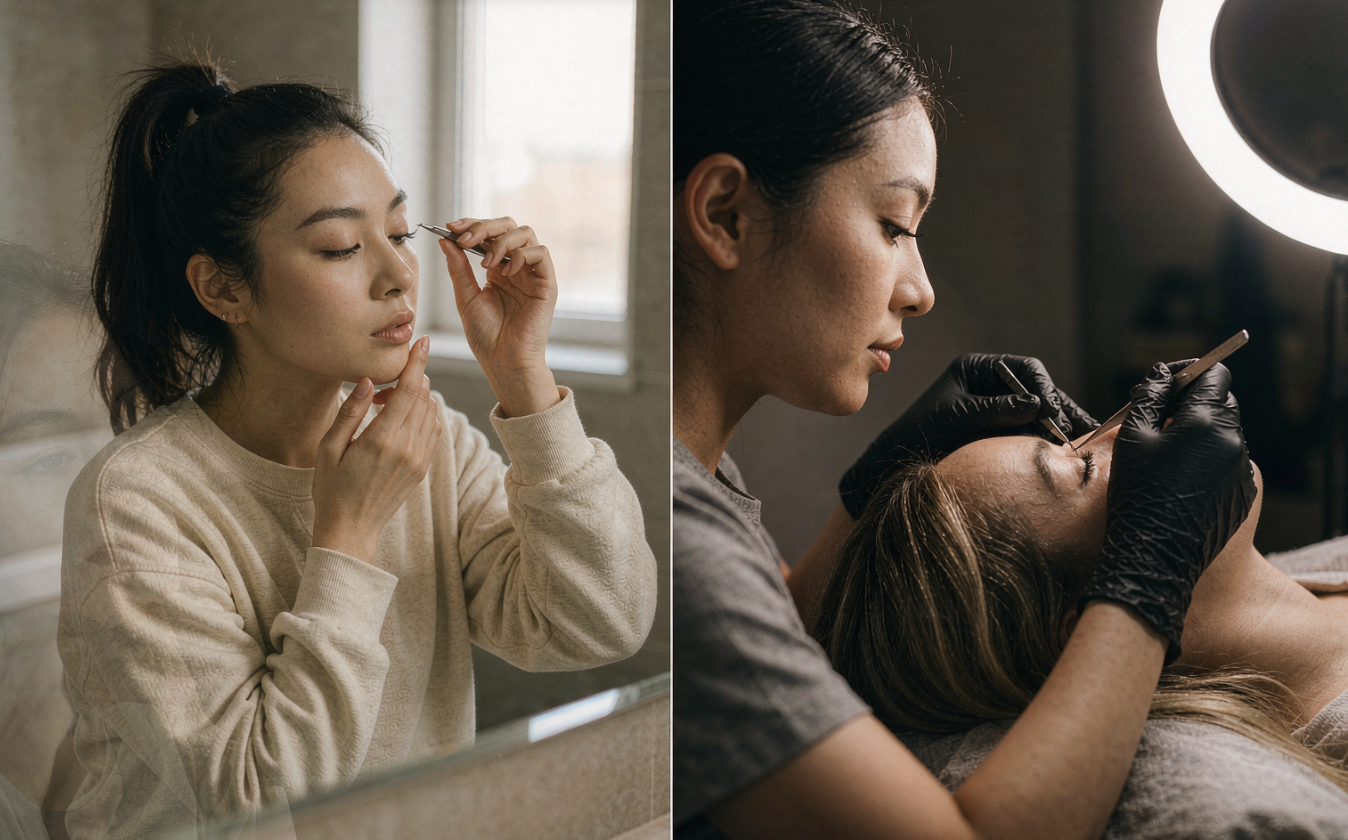
Cluster lashes are pre-grouped lash segments — typically 5 to 10 individual fibers fused at the base — designed to be applied in small sections rather than as a full strip. Unlike traditional strip lashes, clusters give the wearer control over density, length distribution, and placement. And unlike professional lash extensions, they do not require a salon appointment or specialized training.
This combination — salon-level results at home, with lower cost and less time — is exactly what the post-2024 beauty consumer wants. According to a 2026 industry report by LASHMAITRE Trade, cluster lashes have become a high-volume, cost-performance-driven category. Consumers are gravitating toward large-volume tray packaging, bulk kits, and simplified product solutions rather than single-use luxury packaging. For wholesalers and private label buyers, this means the unit economics are shifting: the money is in efficient tray formats, not in over-engineered boxes.
At the same time, the market is fragmenting along material lines. PBT (polybutylene terephthalate) fiber has become the dominant material, surpassing mink and synthetic silk in both volume and buyer preference. PBT offers superior consistency across batches, better curl retention, and a more natural finish — all critical for repeat purchase. Some manufacturers, including OURLASH, now blend PBT with bamboo charcoal fiber for enhanced softness and antibacterial properties, a functional upgrade gaining traction with European and North American buyers.
Material Quality: The Foundation of a Good Wholesale Order
If you take one thing from this guide, make it this: never buy cluster lashes based on photos alone. A product that photographs well may feel stiff on the eye, release poorly from the tray, or fail to hold curl after the first wear. Your quality checklist should start with the fiber itself.
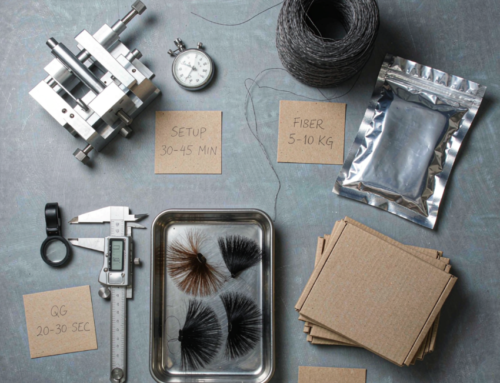
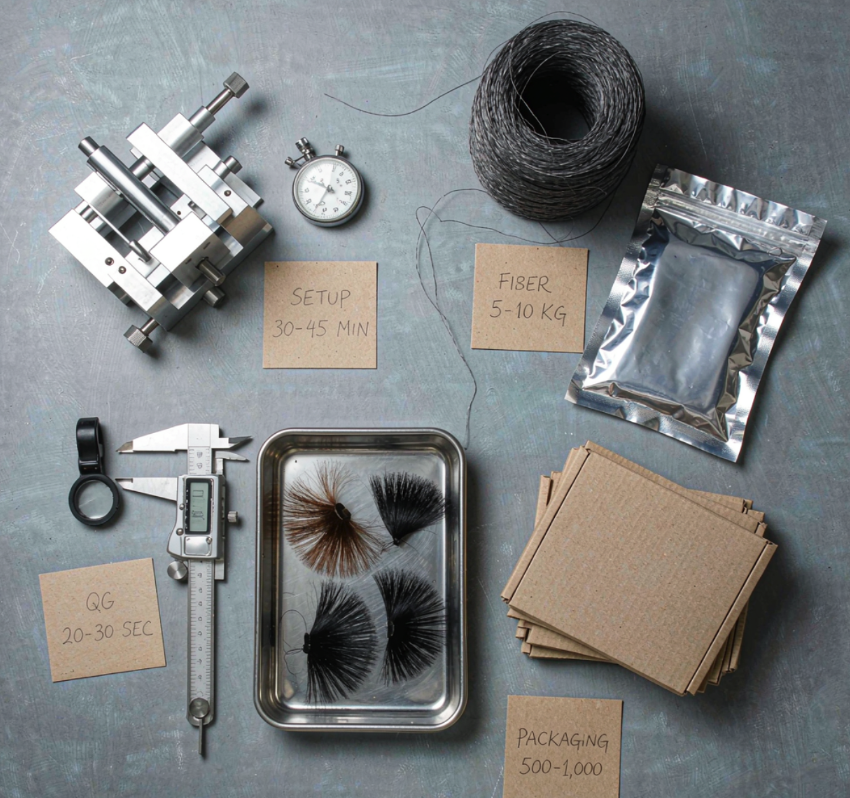
PBT fiber is the industry standard for a reason. It is heat-resistant, lightweight, and can be extruded to precise thicknesses — typically 0.05 mm to 0.10 mm for cluster applications. When you request samples, ask the factory to specify the fiber grade and thickness per SKU. A reputable manufacturer will provide this without hesitation. If they cannot, treat that as a red flag.
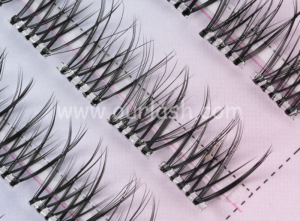
Beyond fiber, pay attention to the band or base — the thin strip where the individual fibers are fused. For cluster lashes, the band must be flexible enough to conform to the natural lash line without lifting at the corners, but firm enough to hold the cluster shape during application. This is one of the most common failure points in low-quality wholesale lashes, and it is almost impossible to detect from a product photo. You need to handle the sample.
For pre-glued cluster lashes — a fast-growing subcategory — the adhesive quality is equally important. The pre-applied glue must remain tacky on the tray, activate cleanly upon application, and hold for 3–7 days without irritating the eye. Buyers sourcing pre-glued cluster lashes wholesale should specifically request bond longevity data and hypoallergenic certification from the factory.

Style Selection: What Wholesale Buyers Should Stock in 2026
The days of stocking only dramatic, full-volume black lashes are over. The 2026 wholesale buyer needs a portfolio approach: a core set of high-turnover everyday styles, a few trend-driven options for differentiation, and at least one kit format for the fast-growing DIY segment.
Natural and Wispy: Your Bread and Butter
Natural and wispy styles now account for the majority of wholesale reorders. These designs use irregular length distribution and soft density to mimic real lash growth. They appeal to the broadest consumer base — from first-time cluster lash users to experienced DIY enthusiasts — and generate the most consistent repeat purchases. If you can only stock three styles to start, make them a natural 8–12 mm, a natural 10–14 mm, and a wispy mixed-length tray.
Pre-Glued and Self-Adhesive: The Upgrade Path
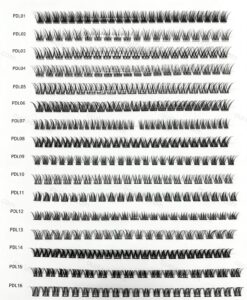
Self-adhesive and pre-glued cluster lashes are the most significant product upgrade direction in 2026. According to Mega Beauty’s industry trend analysis, buyers are moving away from traditional glue-on clusters toward pre-glued formats that eliminate the separate adhesive step. This simplifies the user experience dramatically — key for converting first-time buyers — and reduces the risk of adhesive-related returns. OURLASH’s pre-glued lash cluster collection spans over 16 SKUs (PF01–PF13 and the newer PDL01–PDL96 series), covering short, medium, and long lengths with both standard and private label packaging options.
DIY Kits: The Highest-Margin Format
Cluster lash extension kits — combining cluster trays with bond, seal, remover, and an applicator tool in a single retail package — are the fastest-growing wholesale format. These kits increase average order value for brands and distributors while giving end users a complete, ready-to-use solution. DIY lash kits wholesale are particularly strong for ecommerce and subscription box channels, where the bundled format supports higher perceived value and lower return rates than standalone trays.
Factory Evaluation: How to Vet a Cluster Lash Manufacturer
China dominates global cluster lash production, and the supplier landscape is highly fragmented. For every factory with ISO certification and consistent quality control, there are ten trading companies posing as manufacturers. Here is a practical vetting framework:
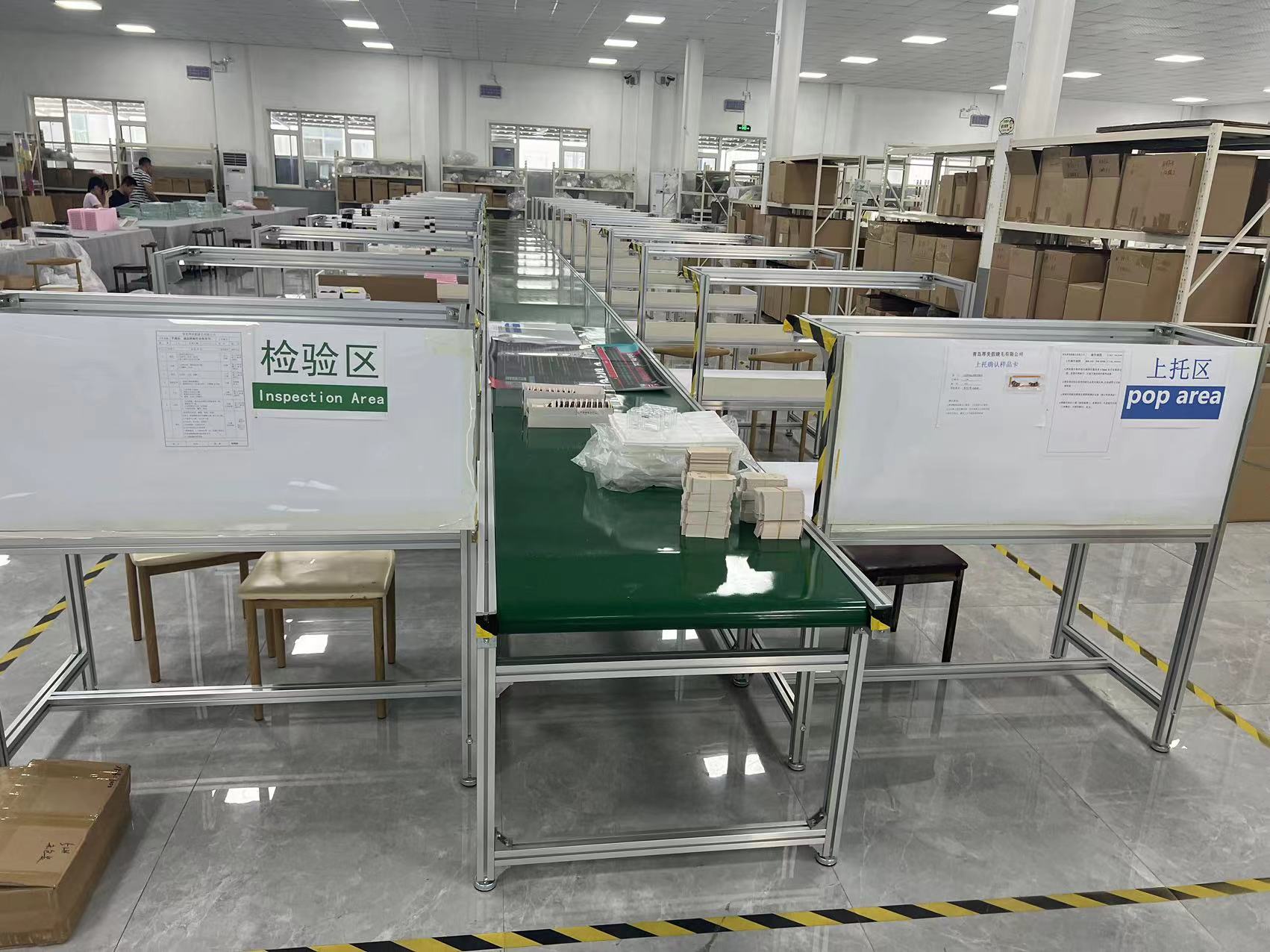
- Ask for production photos, not just product photos.A real manufacturer can show you their production floor, fiber extrusion process, quality control station, and packaging line. A trading company will send catalog images.
- Request fiber specification sheets per SKU.Every cluster lash style should have documented information on fiber material (PBT, bamboo charcoal blend, etc.), thickness range, curl type, and band construction. If the factory cannot provide this, they are not controlling their own production.
- Test samples under real conditions.Do not evaluate cluster lashes by looking at them in a tray. Wear them for at least 48 hours. Test removal. Check whether the band irritates the lash line. Compare the first wear to the third. This is the only way to assess quality that matters to your end customer.
- Check private label capability early.If brand building is part of your strategy, ask about custom tray labels, outer box printing, insert cards, and SKU naming during the first conversation — not after you have placed a bulk order. A factory with strong OEM/ODM experience (like OURLASH, with 14 years in lash manufacturing) will have a private label workflow ready to go.
- Understand MOQ structure.Minimum order quantities can vary significantly by product type, packaging complexity, and customization level. Standard cluster lash trays may start at 50–100 units per style, while fully custom private label kits may require 300–500 units. Always ask whether MOQ applies per SKU or per total order, and whether you can mix styles to reach the minimum.
Sample Testing Checklist
Before committing to a bulk wholesale order, your sample evaluation should cover:
- Fiber softness:Does the lash feel natural against the skin, or stiff and plastic-like?
- Curl retention:After wearing for 48 hours, does the curl bounce back or stay flattened?
- Band flexibility:Does the base conform to the lash line without lifting at corners?
- Tray release:Do clusters lift cleanly from the tray, or do they tear or lose shape?
- Bond compatibility (for pre-glued):Does the pre-applied adhesive hold for the claimed duration without irritation?
- Packaging durability:If shipping by ecommerce, does the tray and box survive transit without damage?
- Style consistency:Do three clusters from the same tray look identical in length, density, and curl?
Keep your approved sample as the reference standard for all future reorders. If batch #3 does not match batch #1, you have a quality control problem — and your customers will notice before you do.
Private Label and OEM: Turning Product into Brand
The real margin in cluster lashes wholesale is not in reselling generic trays — it is in building a brand. Private label cluster lashes allow you to control the product name, tray label, outer packaging, insert cards, and barcode. This is especially powerful for beauty influencers launching their own line, salon chains building house brands, and ecommerce sellers competing on Amazon or Shopify.
When planning a private label order, prepare these assets before contacting the factory:
- Brand logo in vector format (AI, EPS, or high-resolution PNG)
- Preferred color palette for packaging
- Style names for each SKU (avoid generic names — memorable names drive social media sharing)
- Target quantity range and destination market
- Any regulatory requirements (EU cosmetics regulations, FDA guidelines, etc.)
A professional factory should provide packaging mock-ups within 3–5 business days and guide you through the full customization process — from tray label design to carton marks. If the factory acts confused about private label at any point, they likely have not done it before.
2026 Market Trends to Watch
Several structural shifts are reshaping the cluster lashes wholesale market this year:
Natural brown tones are gaining share. The “clean girl” aesthetic is pushing demand beyond traditional black lashes toward brown and soft brown tones that blend more naturally with lighter hair colors. Wholesale buyers serving European and North American markets should add at least one brown-toned cluster style to their 2026 assortment.
Bamboo charcoal + PBT blends are emerging. This material combination offers a matte texture, enhanced softness, and antibacterial properties — a functional upgrade that allows brands to charge a premium without fundamentally changing their supply chain.
Tariff pressure is reshaping sourcing decisions. US tariffs on Chinese goods have driven up landed costs for some lash products, pushing buyers toward more efficient logistics planning and direct factory relationships that eliminate middleman markups. Working directly with a manufacturer reduces per-unit cost and gives you more control over shipping and customs documentation.
Social media is compressing the trend cycle. A cluster lash style that goes viral on TikTok can sell out in weeks. Wholesale buyers need suppliers who can turn around repeat orders in 7–14 days, not 30–45. Ask about lead time and reorder capability before committing to a factory partnership.
FAQ: Cluster Lashes Wholesale
What is the typical MOQ for cluster lashes wholesale?
MOQ varies by product type and customization level. Standard tray-only orders may start at 50–100 units per style, while fully customized private label kits often require 300–500 units. Always ask whether you can mix styles to reach the total MOQ, and confirm whether MOQ applies per SKU or per order.
Should I buy cluster lashes as trays or as full kits?
It depends on your customer. Trays work for existing cluster lash users who already own bond and tools. Full kits — including clusters, bond, seal, remover, and applicator — convert better for first-time buyers and ecommerce channels because they offer a complete solution in one package.
What material should I choose for wholesale cluster lashes?
PBT fiber is the industry standard for quality, consistency, and scalability. It outperforms mink and synthetic alternatives in curl retention, softness, and batch-to-batch uniformity. Some manufacturers now offer PBT blended with bamboo charcoal fiber for enhanced softness and antibacterial properties — worth testing for premium positioning.
How do I verify a factory’s quality before placing a bulk order?
Always order samples first and test them under real wear conditions for at least 48 hours. Request fiber specification sheets, production floor photos, and quality control documentation. If possible, arrange a third-party inspection before the first bulk shipment. A factory that resists these requests is not one you want to work with.
Are pre-glued cluster lashes better than regular cluster lashes for wholesale?
Pre-glued cluster lashes are growing faster because they simplify the user experience — no separate adhesive step needed. This reduces the learning curve for first-time users and lowers return rates. However, pre-glued products require more careful adhesive quality control. Always test bond longevity and hypoallergenic certification when sourcing pre-glued clusters.
Ready to Source Cluster Lashes Wholesale?
OURLASH has been manufacturing eyelash extensions and cluster lashes for 14 years from our factory in China. We produce over 24 styles of pre-glued, self-adhesive, and DIY cluster lash products — all made with Korean-grade PBT fiber and supported by private label packaging, sample testing, and flexible MOQ options.
Whether you are launching a beauty brand, stocking a salon, or scaling an ecommerce store, we can help you build a product line that balances quality, margin, and speed to market.