Today, OURLASH will talk about Why Some False Eyelash Factories Offer Extremely Low Quotations.
In the global false eyelash wholesale market, price gaps for the same style of lashes can be surprisingly huge. Many buyers are confused about why certain factories offer unbelievably low prices that are far below the industry average. On the surface, these low quotations seem cost-effective, but in most cases, they are not genuine price advantages. Instead, they are achieved by cutting corners, hiding hidden traps, and sacrificing product quality and after-sales service. There are four major reasons behind these ultra-low factory prices, all of which are common hidden pitfalls in the eyelash manufacturing industry.
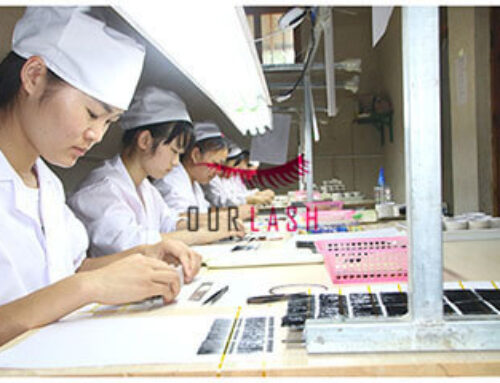
First, many unreliable factories deliberately polish sample products but deliver defective bulk goods with zero after-sales support. This is the most classic and deceptive trick in the lash industry. To win orders, these factories devote extra time, skilled workers, and high-quality materials to make perfect samples. The trial lashes look fluffy, neat, well-curled, and flawless, easily winning buyers’ trust. However, once customers place large orders, the factories switch to fast, low-cost mass production. They use unskilled temporary workers, shorten production time, and ignore detailed trimming standards. The final bulk products often have uneven lengths, messy lash arrangements, deformed curls, and loose lash bands. Worse still, these factories refuse to take responsibility for defective goods. They have no complete after-sales system, rejecting returns, replacements, or compensation for quality problems, leaving buyers to bear all losses alone.

Second, some companies offer surprisingly low prices only to clear overstocked inventory, and the low price is never a long-term stable quotation. Many trading companies and small factories accumulate large amounts of backlogged inventory, including outdated styles, slightly flawed products, or overproduced leftover lashes. To clear warehouse pressure and recycle capital quickly, they sell these stocks at an extremely low cost. This temporary low price attracts many buyers, but it is only a one-time discount. Once the old inventory is completely sold out, there are no more low-cost supplies. The price will immediately return to the normal market level or even rise higher. Buyers who rely on this low price will face unstable supply and sudden price increases, which seriously disrupt their long-term business operation.
Third, a number of low-end workshops never produce qualified samples or bulk goods, as they only use the cheapest inferior raw materials. Unlike factories that fake bulk quality, these manufacturers cut costs from the very first step of material selection. They abandon standard medical-grade PBT fibers, safe non-irritating glue, and soft ultra-thin lash bands. Instead, they adopt recycled mixed chemical fibers, pungent industrial glue, and thick hard plastic bands. Even their display samples are rough and low-grade, with stiff texture, peculiar smell, and easy shedding. Although the price is extremely low, such false eyelashes have serious safety hazards. They easily cause eyelid allergies, eye irritation, and lash deformation, and have almost no reusability. This kind of low quotation is essentially low-quality garbage pricing with no qualified product standards.
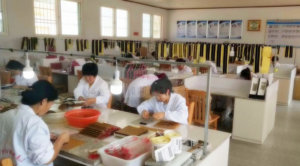
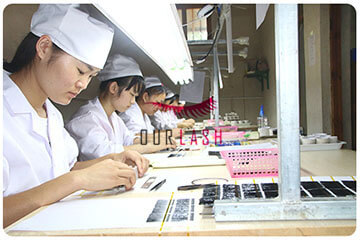
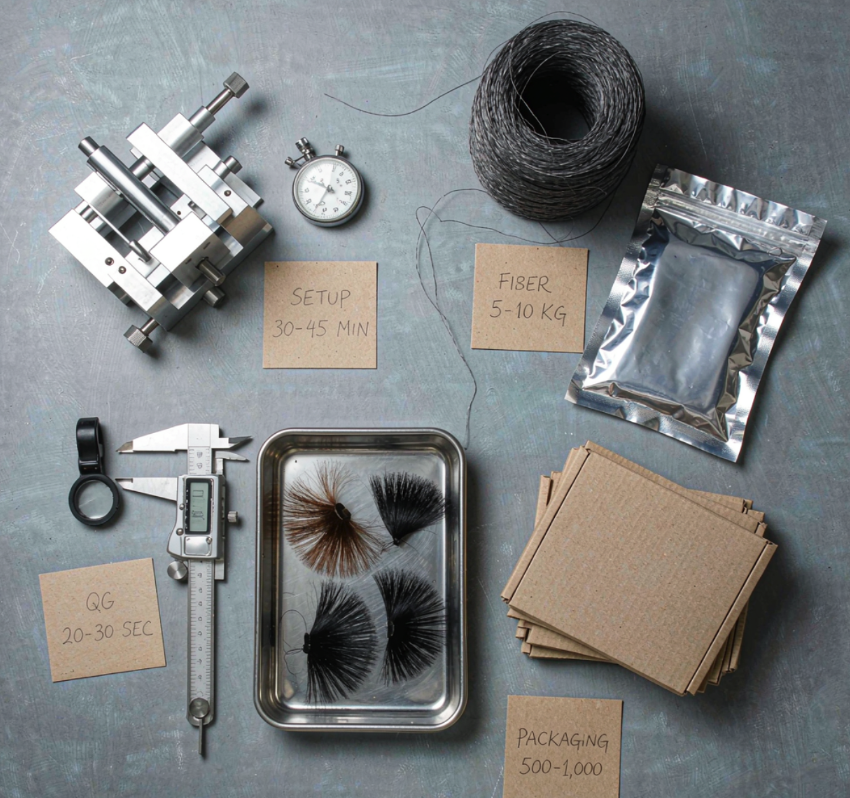
Fourth, most ultra-low-price factories cut costs by simplifying production processes and canceling quality inspection procedures, which is the core hidden reason for their low profits. Formal lash production includes multiple essential steps: fiber sorting, manual trimming, high-temperature curl setting, disinfection treatment, defect screening, and finished product inspection. However, low-cost workshops skip most of these standardized processes. They skip disinfection, resulting in bacteria remaining on the lashes; they cancel manual fine trimming, leading to messy lash tips; they omit quality checks to save labor and time costs. In addition, these factories adopt extreme low-cost labor models, with no professional training for workers and no standardized production management. While this greatly reduces manufacturing costs, it causes unstable batch quality, inconsistent curl and length, and extremely high defect rates. Moreover, they have no brand operating costs and zero quality control standards, allowing them to maintain prices that regular formal factories cannot compete with.
In conclusion, no eyelashes factory can offer long-term low prices while maintaining high quality. All extremely low quotations in the false eyelash industry come from quality compromise and hidden business traps: deceptive sample-bulk differences, temporary inventory clearance discounts, full inferior material configuration, and simplified unqualified production processes. For buyers, chasing ultra-low prices blindly will only lead to higher after-sales losses, customer complaints, and unstable supply risks. A reasonable industry price always matches qualified quality, stable craftsmanship, and complete after-sales service.