The global lash market passed $2 billion in 2026, growing at 14% a year, and it keeps minting new businesses because the economics work at almost every level. A solo lash artist working four days a week clears $55,000-$95,000 in year one after expenses. A small brand selling lash products online runs 70-80% gross margins on trays that cost $1.50 wholesale and retail for $18. The catch? Most guides treat “starting an eyelash business” as one thing. It isn’t. There are two very different businesses hiding under that phrase, and the first real decision you make is which one you’re building.
First, Pick Your Lane: Service Business or Product Business
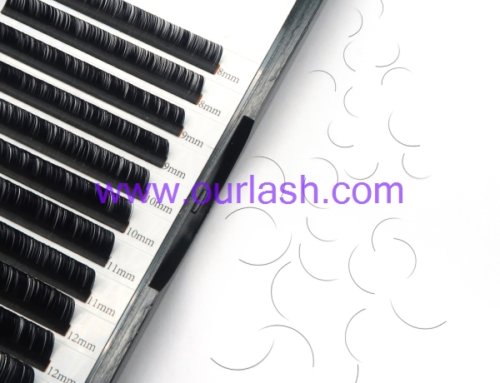
Read any “start a lash business” checklist and it assumes you’re becoming a lash artist — taking clients, doing full sets, booking fills. That’s one path. The other path, which most checklists skip entirely, is building a product brand: sourcing lash extensions, cluster lashes, or DIY kits from a manufacturer and selling them under your own label.
The distinction matters because the startup capital, skills, and daily work look nothing alike:
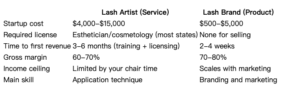
Neither is “better.” Artists build a local business with predictable recurring revenue — a full set every 6-12 weeks and fills every 2-3 weeks means one client is worth $1,500-$2,500 a year. Brand owners trade that predictability for unlimited geographic reach and no license requirements. Plenty of successful operators do both: they lash during the week and sell aftercare products to their own clients at 100-150% markup.
Path One: Becoming a Lash Artist
Licensing comes first, not later
In most U.S. states — California, Texas, New York, Illinois — you need an esthetician license (600-750 hours) or full cosmetology license (1,500+ hours) to legally apply lash extensions. Esthetician school runs $4,000-$15,000 and takes 6-9 months. A few states like Connecticut and Kansas don’t regulate lash application specifically, but skip licensing in a regulated state and you can’t get liability insurance, which means one allergic reaction claim ends the business.
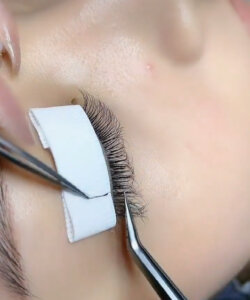
Brand certification is separate from state licensing, and it’s where the money actually goes. A quality 2-5 day hands-on course from Lash Tribe, Borboleta, or NovaLash costs $800-$3,500. Skip the $99 online-only courses — they produce work that looks cheap, and clients notice.
Startup budget that holds up
Plan on $4,000-$15,800 all-in, depending on your space model:
- Training and certification:$1,000-$3,500
- License and business registration:$200-$1,000
- Liability insurance:$150-$500/year
- Lash bed, ring light, furniture:$1,000-$3,000 (used equipment is fine — clients don’t care about the bed)
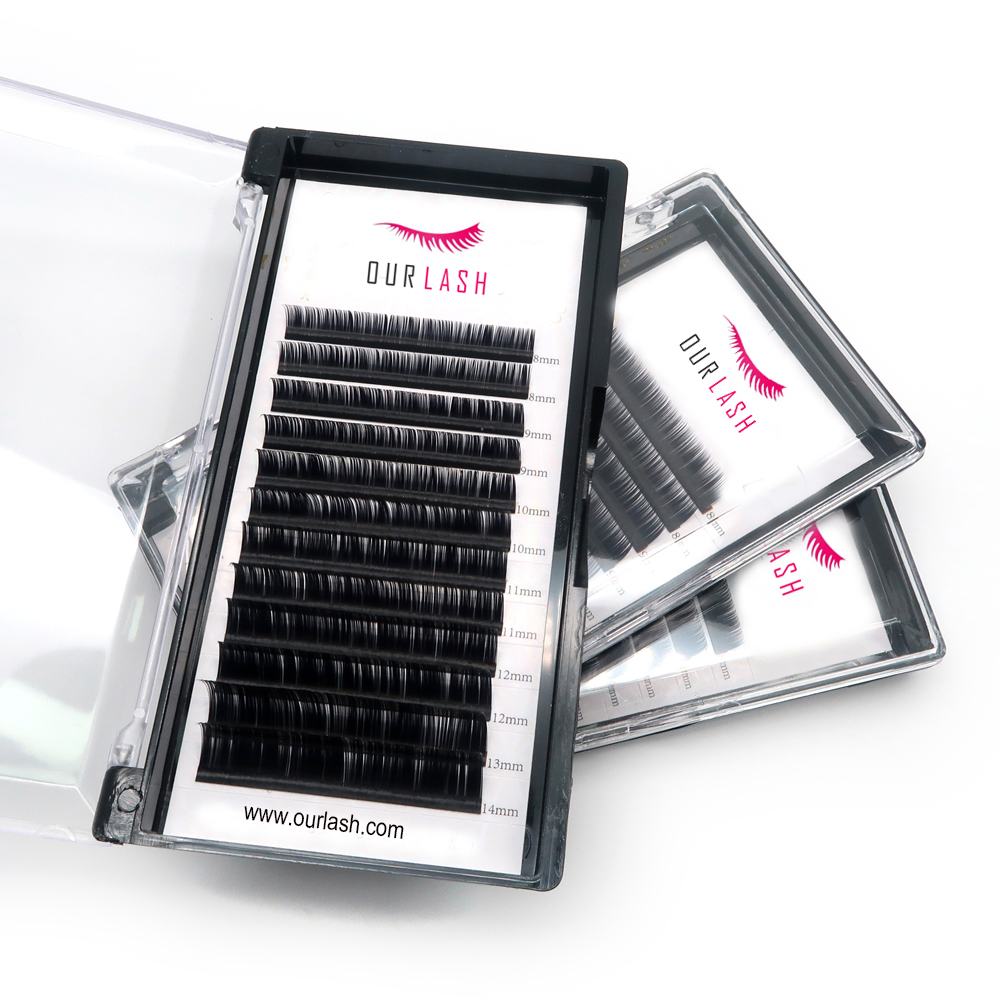
- Initial supply kit:$600-$1,200 for 6-8 trays, adhesive, tweezers, disposables
- Space:$0 for a home studio, $150-$500/week for booth rent, $300-$600/week for a salon suite
The number that decides everything: rebook rate
Here’s what separates artists who stall at $60K from artists who pass $100K, and it isn’t technique. It’s the fill schedule. Fills run $50-$100 every 2-3 weeks, and a client who rebooks consistently is worth five times one who doesn’t. The operational stats back this up: 92% of profitable lash salons use booking software with automated reminders, because every no-show is a lost hour of chair time. Get clients on a standing rebook before they leave the appointment. Text confirmations beat memory every time.
Path Two: Building a Lash Product Brand
Why the product path got cheaper in 2026
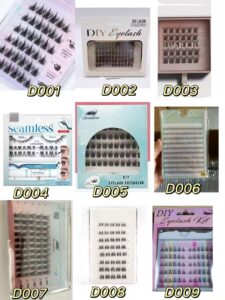
Two things changed. First, minimum order quantities dropped — established manufacturers now accept private label orders starting at 10-100 trays, which puts a lean launch at $500-$1,500. Second, the DIY category exploded: DIY application kits grew 42.9% year-over-year, and 42% of lash consumers now apply at home. That’s a massive new customer base that doesn’t exist for salon services, and Amazon data shows cluster lash products moving 9,000-17,000 units per month at $7-$9 retail on 53-77% margins.
The sourcing math
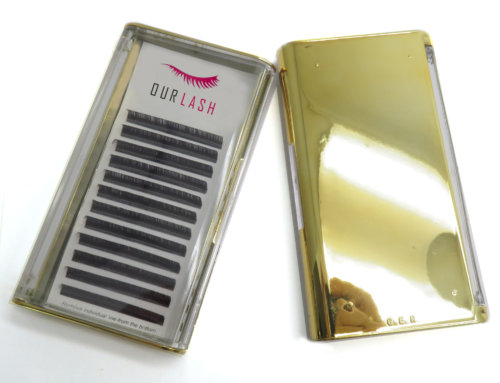
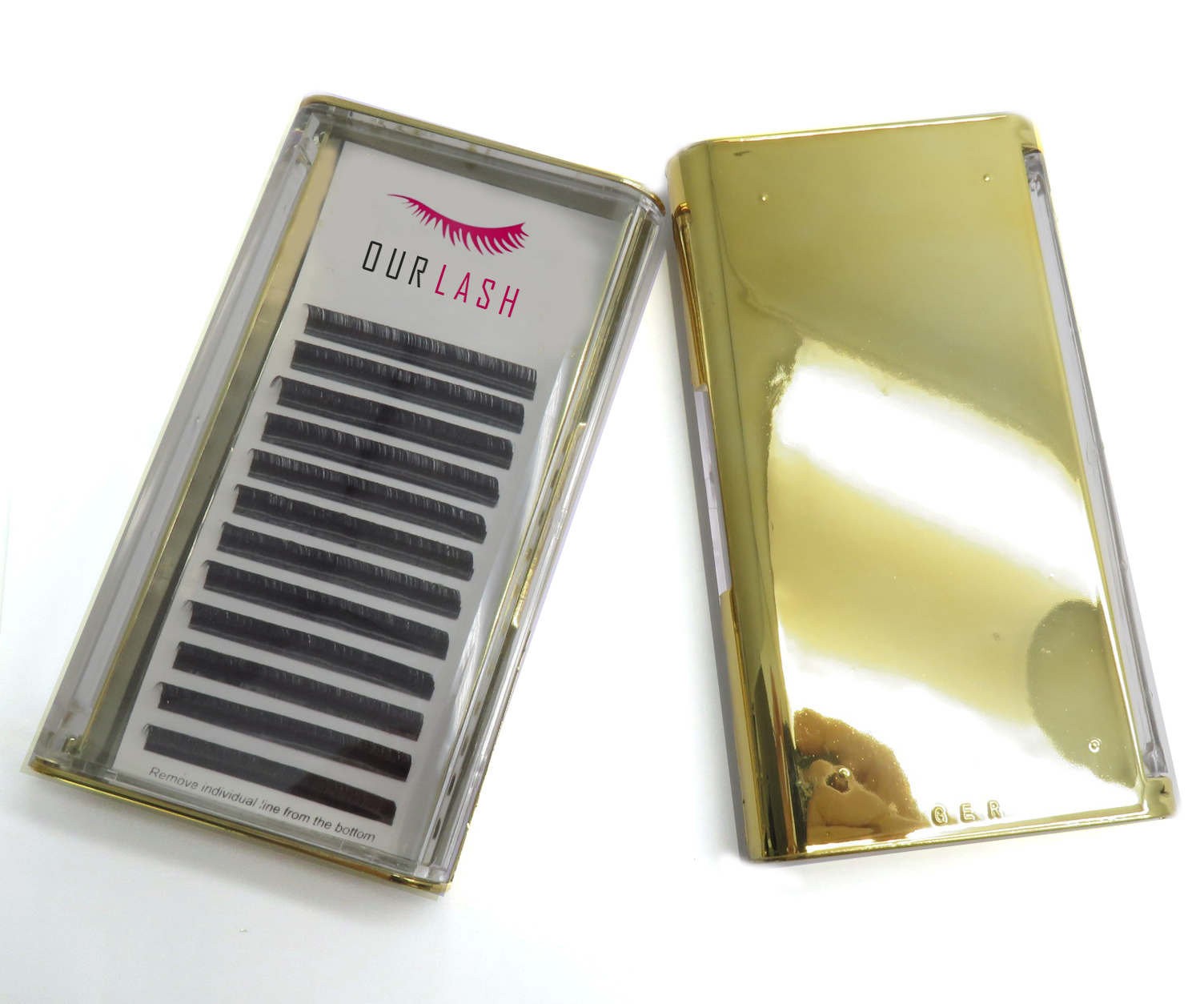
Factory-direct lash trays run $1.40-$3.30 depending on style and volume. Retail on Amazon and Shopify sits at $15-$35. Even after packaging ($0.30-$0.80/unit for custom boxes), shipping, and platform fees, a well-run brand keeps 70-80% gross margin. That margin structure is why lash brands spend aggressively on TikTok and influencer seeding — the unit economics can absorb it.
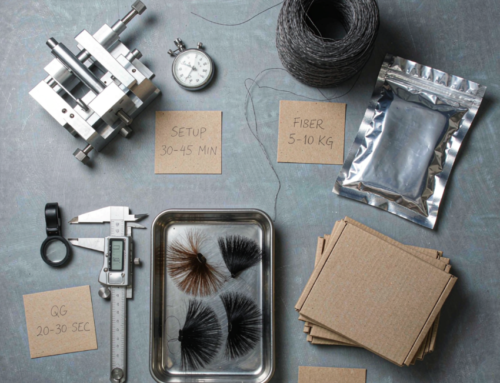
The danger is the same one that burns first-time importers in every category: 78% of “verified” suppliers on B2B platforms are trading companies, not factories. A middleman means no control over material quality, no real answers on adhesive ingredients, and 15-35% added cost. We covered the full vetting process — how to verify a factory, which red flags to walk away from — in our guide to choosing a lash vendor in China.
What to actually sell
Don’t launch with 30 SKUs. The data on what’s moving in 2026 points to three product families:
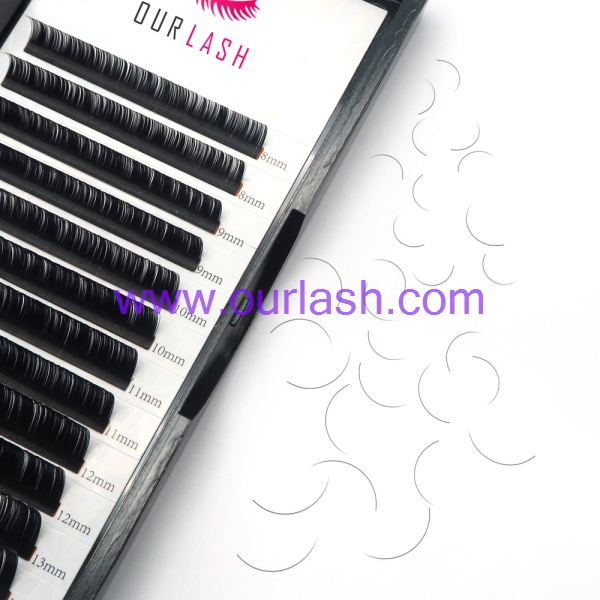
- Cluster lashes and volume fans— 38.2% market share, growing 22.7% yearly. This is the core of the market right now.
- DIY application kits— the fastest-growing segment at +42.9%. A complete DIY lash kit bundles clusters, bond, and applicator, and commands a $14.99 average price versus $8 for loose clusters.
- Pre-glued cluster lashes— the beginner-friendly entry point. Our pre-glued PDL series is one of the most consistent reorder products for brand partners, because customers who succeed on their first application come back.
Start with 3-5 SKUs, test with real customers, then expand. For the full branding process — logo, packaging, label design, MOQ tiers — read our private label lashes guide.
Getting Your First Clients (or Customers)
The marketing playbook differs by lane, but the starting move is the same: your first 20 customers come from people who can see your work, not from ads.
For artists: Instagram and TikTok are the entire client acquisition engine in this industry — salons that partner with local beauty influencers see roughly 30% more new bookings. Post healed results, not just fresh sets. Offer a launch rate to your first 15 clients in exchange for reviews and before/after photos, then raise prices to market. Track where every booking comes from for the first three months; you’ll usually find one channel (often Instagram Reels or word of mouth) produces 80% of clients, and you can stop wasting money on the rest.
For brand owners: seeding beats paid ads at the start. Send product to 30-50 micro-influencers in the 5K-50K follower range — nano and micro creators often post in exchange for free product, and their engagement rates beat celebrity accounts. One honest TikTok review of a DIY lash kit can move more inventory than $500 in ads. Run Shopify or Amazon in parallel from month one: Amazon brings search traffic you don’t have to earn yet, while your own store captures the email list you’ll eventually need.
Either way, budget 5-8% of revenue for marketing once you’re rolling. Less than that and growth stalls; more than that this early usually means the product or service isn’t earning repeat business on its own.
Five Mistakes That Kill New Lash Businesses
- Underpricing to fill the calendar.New artists charge $60 for a full set to get clients, then can’t raise prices without losing them. Price at market from day one — $100-$150 for classic, $150-$300 for volume depending on your city — and compete on quality, not discounts.
- Skipping the LLC.You’re working millimeters from someone’s eyes with cyanoacrylate adhesive. A $50-$500 LLC filing separates a business mistake from a personal bankruptcy.
- Buying inventory from the first supplier who replies.Whether it’s $600 of lash trays or $5,000, test samples first. The cheapest quote is usually cheap for a reason — 68% of lash product quality failures trace back to unverified raw materials.
- Ignoring the rebook.A full book of one-time clients is a treadmill. A half-full book of standing fills is an annuity. Every business decision — booking software, aftercare education, reminder texts — should optimize for the second kind of book.
- Building the brand before testing the product.Spend $200 on samples and give them to 20 people before spending $2,000 on packaging design. Packaging with a product people don’t reorder is expensive confetti.
FAQ
Q: How much does it cost to start an eyelash business?
For a lash artist: $4,000-$15,800 including training, licensing, equipment, and supplies. For a product brand: $500-$5,000 depending on how many SKUs and whether you invest in custom packaging.
Q: Do I need a license to start a lash business?
To apply lash extensions on clients, yes in most U.S. states — typically an esthetician or cosmetology license. To sell lash products under your own brand, no license is required, though you’ll need standard business registration and to follow labeling regulations in your market.
Q: How long until an eyelash business is profitable?
Lash studios typically break even in 3-6 months. Product brands can hit profitability on the first restock if the initial SKU selection is right — the higher margin structure means smaller volume is needed.
Q: Is it better to be a lash artist or start a lash brand?
Depends on what you want. Artists get stable local revenue and a craft; the ceiling is your available hours. Brand owners get scalability and no license requirement, but take on marketing risk. Many successful operators start as artists, learn the customer, then launch a product line selling to people exactly like their clients.
Q: What products should a new lash brand launch with?
Cluster lashes, DIY kits, and pre-glued clusters. Those three categories carry the market’s growth right now, and they serve the same customer — the at-home user — which keeps your branding and marketing focused.
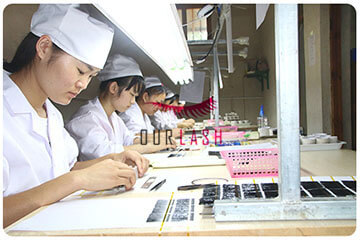
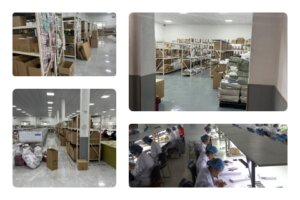
OURLASH has manufactured lash extensions, cluster lashes, and DIY kits for 14 years from our factory in Qingdao, China. We work with brand owners at every stage — from 10-tray sample orders to full private label production with custom packaging. Browse the product catalog or request a quote and free samples.