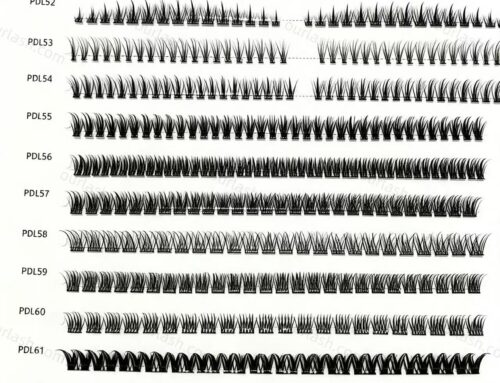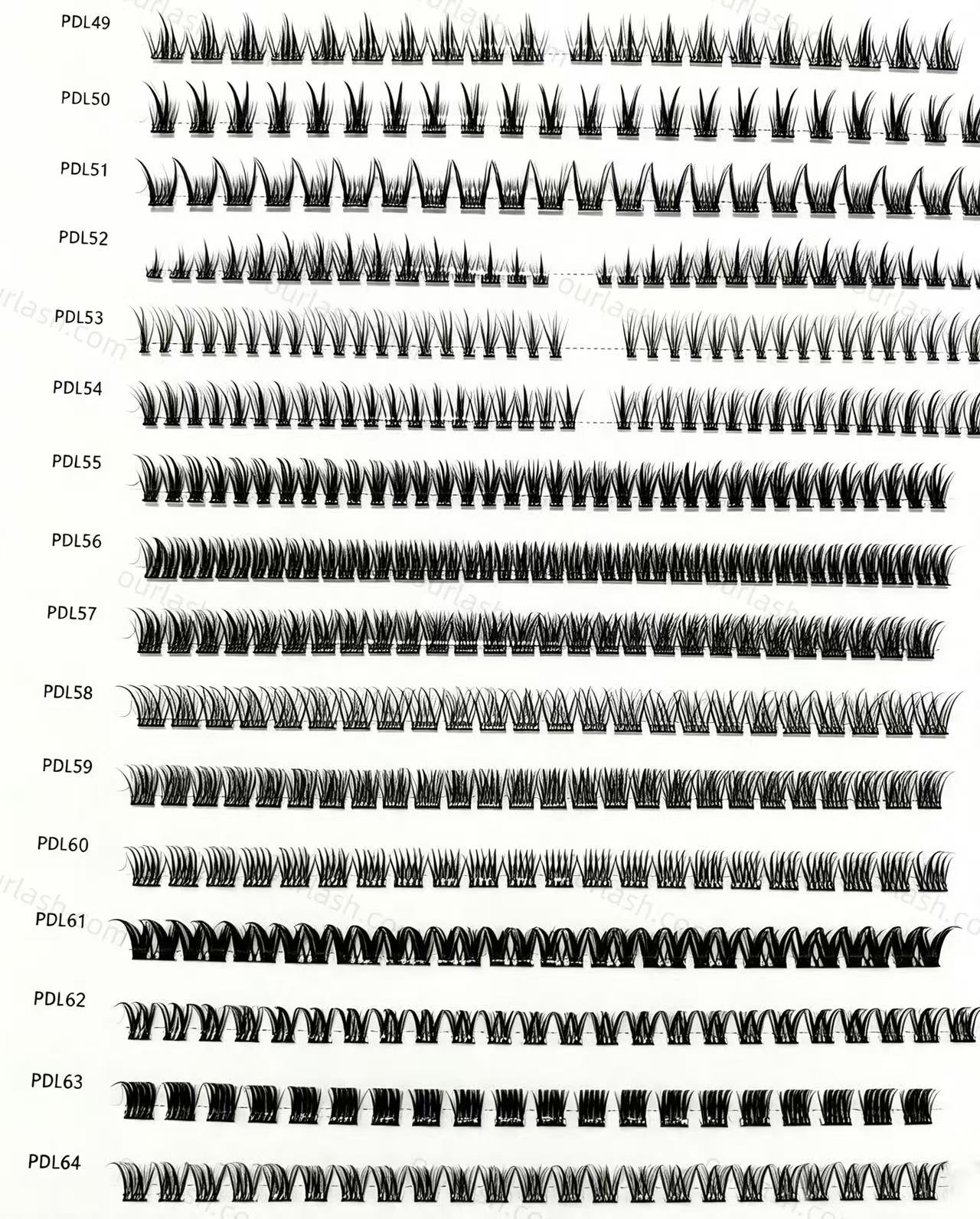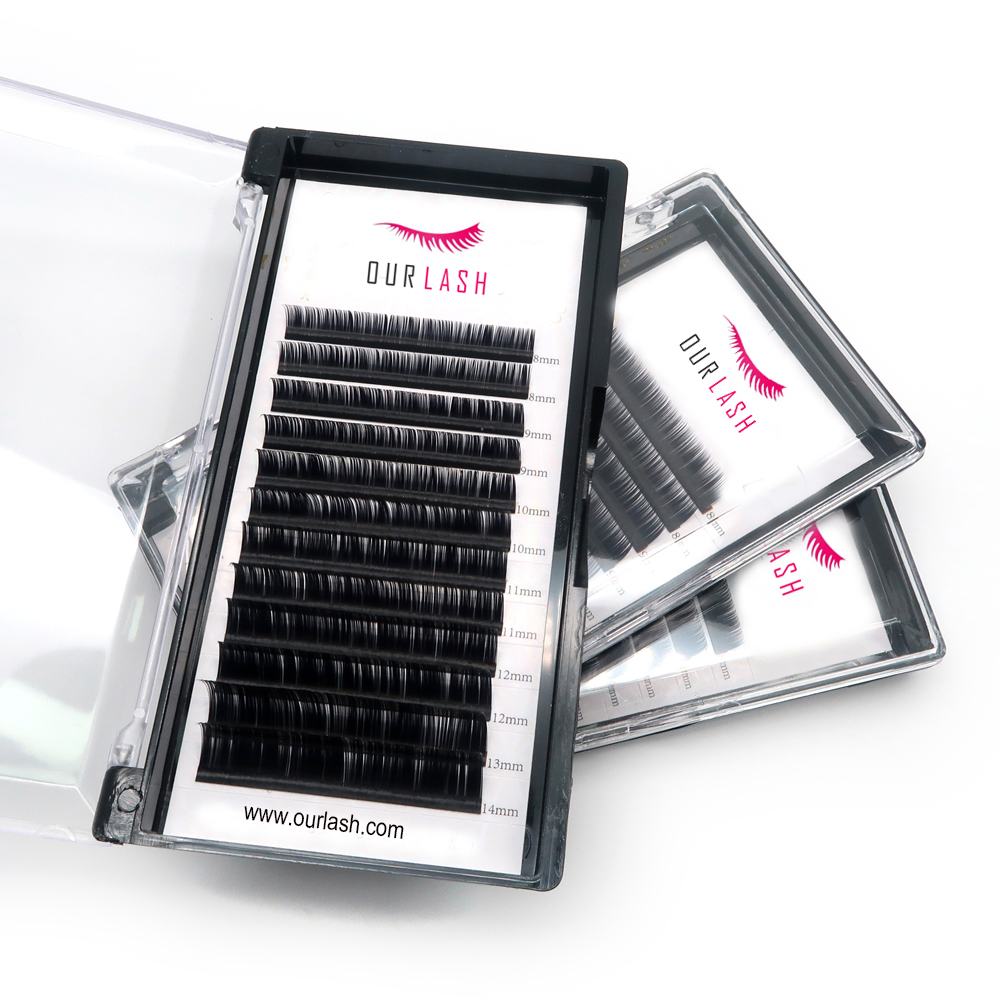
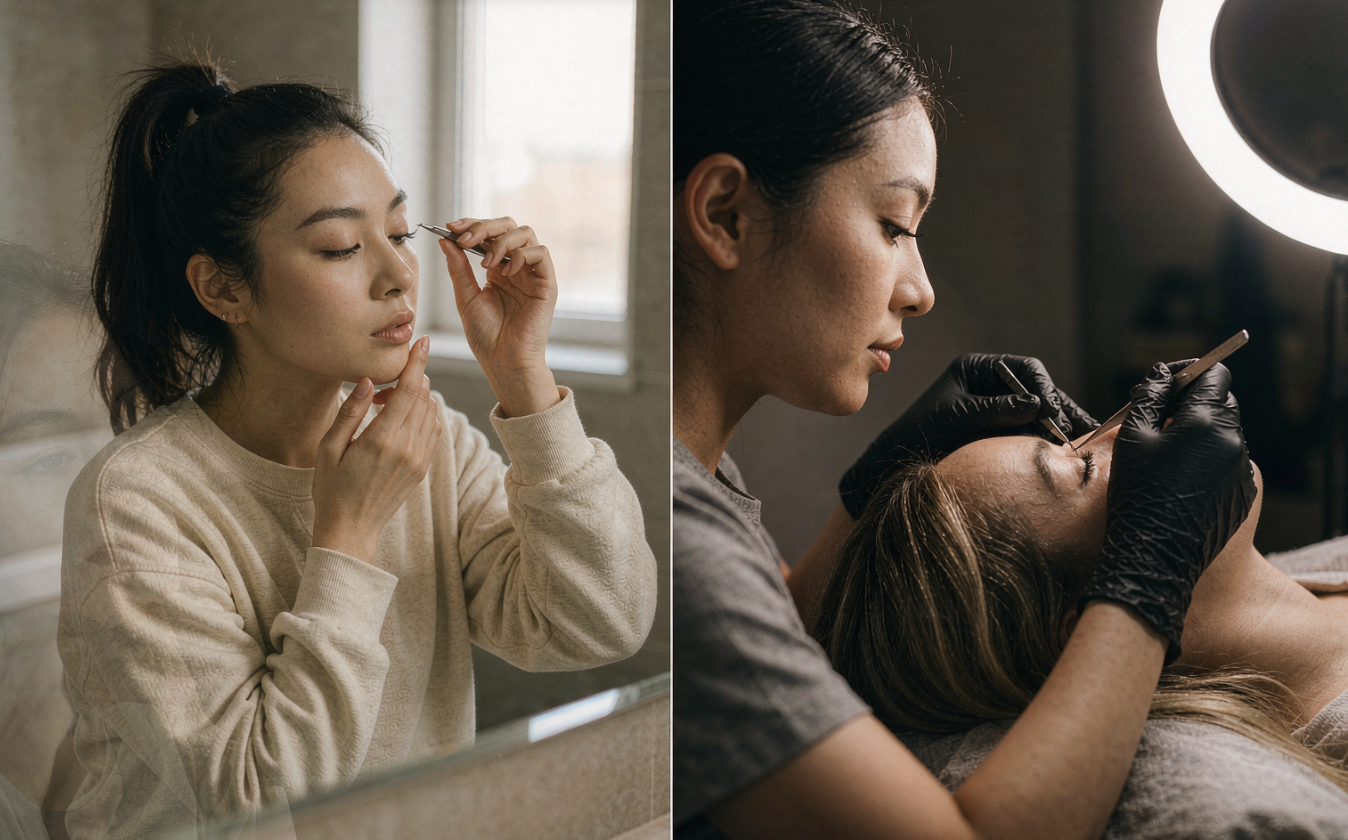
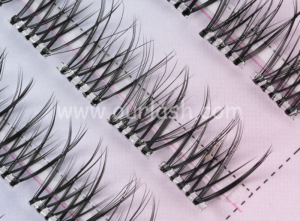
Quick disambiguation, because most of the confusion happens before any product gets applied. Cluster lashes are DIY segments, 8–15 fibers fanned onto a thin base, applied at home with a separate bond or with a pre-applied adhesive strip. Lash extensions are individual synthetic fibers, one per natural lash, hand-bonded in a salon with cyanoacrylate adhesive. The two products get thrown around online as if they’re interchangeable. They aren’t, and the industry quietly knows it.
From the factory side of this — we make both on the same floor in Qingdao — the question “which is better” mostly gets answered wrong in the search results. Buyers read an affiliate listicle pushing whichever product the writer sells. We don’t sell direct to consumers. We sell to brands and wholesalers, so the honest answer below comes from spec sheets, customer service tickets, and the B2B patterns we see across both product lines.
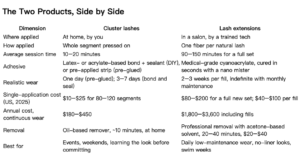
The price gap is the loudest difference. The wear gap is the second loudest. Everything else — feel, look, damage profile — is downstream of those two.
What “Extensions” Actually Means in 2026
This matters before any comparison goes further. A decade ago the line between cluster lashes and extensions was bright. Clusters were the cheap drugstore strips. Extensions were the salon service that cost $200 and lasted three weeks. Today the segment called “DIY extensions” on Amazon and TikTok is almost always cluster lashes sold under new branding — pre-glued or bond-and-seal, 8–15 fibers per segment, applied at home without a single fiber being individually bonded.
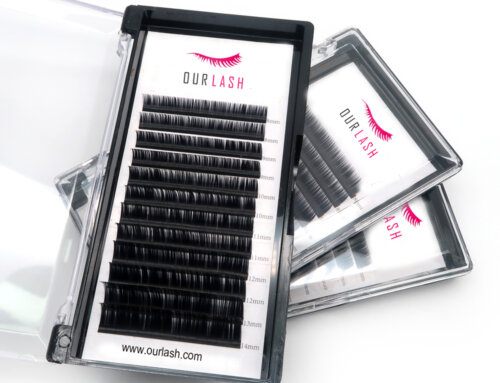
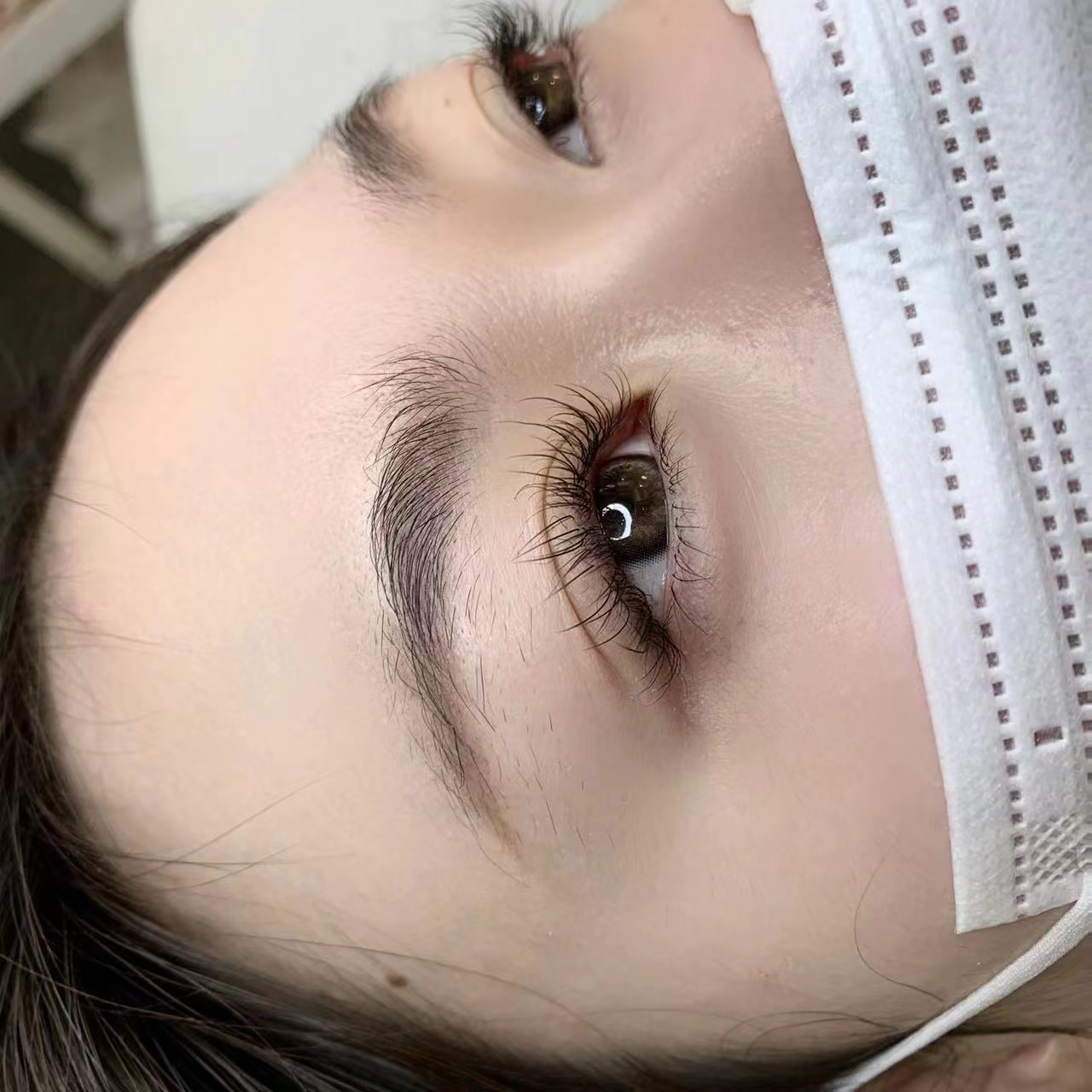
Real eyelash extensions are still a single-fiber-per-natural-lash service. If a lash tech isn’t isolating each natural lash, dabbing one fiber at a time, and using a nano mister to set the bond, that’s not an extension set. That’s a cluster application sold under an extension price. Unfortunately for buyers, this conflation has become the rule rather than the exception.
Cost Over 12 Months
The numbers people compare are misleading when the wear windows differ so wildly. A $150 full set of extensions sounds expensive. A $15 pack of cluster lashes sounds cheap. But the cluster pack covers 30–40 applications over the same period. The extension set covers one.
Here’s the math we see across both product lines:
- Cluster, continuous use.$15 average kit, 100 segments per kit, used in clusters of 6–10 per eye, 5–7 wear days per cluster. Annual spend: $180–$400 on products, $15–$30 on remover, $0 on service time.
- Extensions, continuous use.$130 average first full set in a mid-market US city, $60–$80 fills every 2.5 weeks, ~20 fills per year. Annual spend: $1,800–$2,300, plus 30+ hours of salon chair time and the commute.
- Extensions, intermittent use.One set plus one fill for a wedding season or a quarterly vacation. $250–$400 a year. Reasonable, if the commitment is real.
- Cluster, event-only.$40–$60 a year, used on weekends and big days. The most affordable path that still delivers the look.
If you work backward from cost, cluster lashes win every time. If you work backward from lifestyle, the answer flips for anyone filling at 7 a.m. between school drop-off and a Zoom call. Our eyelash extensions cost breakdown walks the salon pricing in more detail — but the headline number holds.
What Each One Feels Like to Live With
DIY cluster lashes feel like extra lashes you happen to own. They sleep (mostly). They shower. They survive gym sessions for the first 48 hours. They come off when you decide. You can apply them on a train, in a hotel bathroom, ten minutes before dinner. The trade-off is hold time: 3–5 days typical, up to 7 if you’re religious about aftercare. Our home application guide covers the placement that makes the difference.
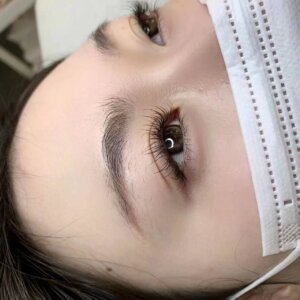
Salon extensions feel like nothing, which is the actual sales pitch. You wake up with lashes on. You go to the gym. You swim. You cry at a wedding and the lashes stay put. You don’t think about them for two to three weeks, and then you think about them a lot when fill day arrives. The trade-off is the routine: $60 fills, 30 minutes of chair time, and the need to keep a consistent tech or risk mismatched lengths.
From the queries our customer service team handles, the cluster route fails more often on application skill. The extension route fails more often on financial commitment. Both can be the wrong choice for the wrong person.
Damage and Removal: Where the Actual Risk Lives
Both products sit or fall on removal. Both can damage your natural lashes if you mistreat them. The mechanism is different, and so is the cost of fixing the mistake.
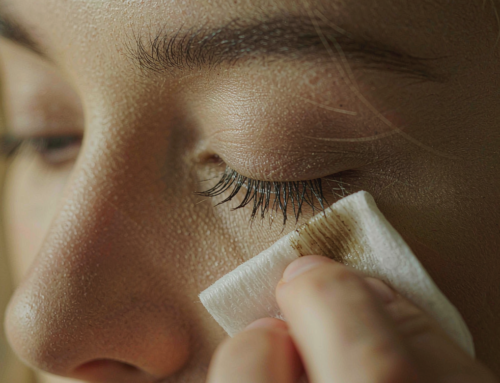
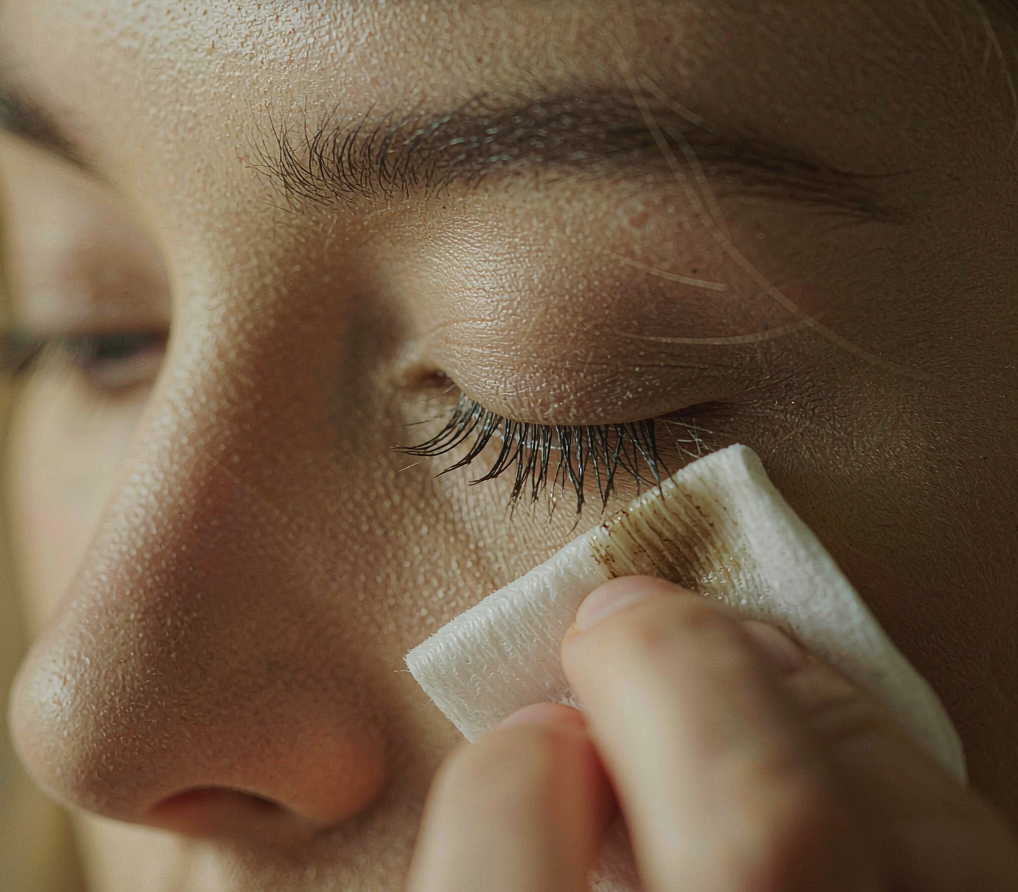
Cluster lashes grip with a soft bond that responds to oil. A 10-minute soak in coconut oil or a dedicated remover and the cluster slides off. Pull it dry and you’ll take 2–4 natural lashes with you. That’s the entire reason we wrote a full cluster removal guide — the steps are short, but the shortcut costs real hair.
Extensions grip with cyanoacrylate, the same family of adhesive used in medical skin closure. Coconut oil barely dents it. Salons use a dedicated solvent and a slow rolling motion with tweezers, which takes 20–40 minutes per set and costs $20–$40. DIY home removal of extensions is the single highest-risk move in the consumer lash world. People try acetone. They pick at corners. They lose 30% of the natural lashes on one eye. The honest answer: don’t.
Who Should Pick Which
Based on what we see across our B2B customers and their downstream buyers, a clean decision tree looks like this:
- You want the look but have never worn either.Start with pre-glued clusters for a weekend, then try bond-and-seal clusters for a week-long trial. You’ll spend $15–$30 and learn your tolerance, your sleep pattern, your lifestyle fit — all before committing to a salon relationship.
- You want no-maintenance wear, multiple weeks at a time. Accept the $1,800–$3,600 annual spend, find a tech whose work you can verify in person, and book fills on a 2.5-week rotation.
- You need one specific look for one specific event. Pre-glued the day before, removed after. That’s literally what they were designed for.
- You’re allergic or sensitive to adhesive. Both rely on similar chemistry. Test with a single cluster behind your ear 24 hours before any full application.
- You’re a salon owner thinking about adding DIY retail.Carry clusters. The customers who can’t afford your service will buy clusters, and the ones who can afford both will keep both in their routine. Our cluster wholesale guide covers the SKUs and margins worth stocking.
What This Looks Like From the Factory Floor
We manufacture DIY cluster segments and extension adhesive on the same campus. We see the dispatch patterns, the reorder rates, and the failed-product reports from both product lines. A few patterns are worth knowing if you’re buying for a brand.
Cluster lines run hot around events. Pre-glued clusters spike before wedding season, holiday weekends, and post-promotion peaks. Bond-and-seal kits run steady year-round as everyday wear takes share from extension salons. Extension adhesive runs to trained techs in steady monthly volumes, with a noticeable surge from new graduates buying starter kits. Our vendor vetting guide covers how to tell whether a factory can actually deliver a stable extension-grade adhesive versus repackaged industrial cyanoacrylate.
The mistake brands make is treating cluster and extension as competing lines. They aren’t. They serve different rituals. A buyer who’s already spending $150 a month at a salon won’t abandon that for $15 of clusters; she buys the clusters for the weekend and keeps the salon appointment for the Tuesday after. The retailers who get this right stock both, price the cluster to be repurchase-friendly, and never undersell the extension service on price. If you’re sourcing for either side, our pre-glued vs. regular cluster comparison explains the spec differences in the DIY line, and the longevity guide covers the wear windows you can promise on the box without overstating them.
Quick Answers
Q: Cluster lashes vs extensions — which lasts longer?
Extensions. A single appointment lasts 2–3 weeks; a maintenance schedule can run indefinitely. Cluster lashes last one day (pre-glued) or up to a week (bond and seal).
Q: Are cluster lashes cheaper than extensions?
Roughly 80–90% cheaper per year, even with continuous use. The cluster DIY route lands at $180–$450 a year; an extension maintenance schedule lands at $1,800–$3,600.
Q: Can you tell the difference between clusters and extensions?
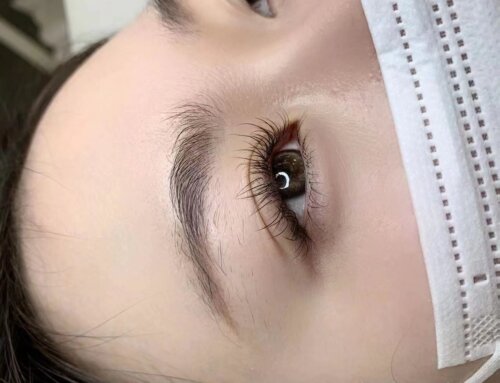
In person, yes — clusters sit in segments that move as a unit; extensions move with individual natural lashes. In photos, less so if both are well-applied.
Q: Do extensions damage natural lashes more than clusters?
At professional quality, no — both can be safe. Damage comes from adhesive misuse, overstaying the wear window, and rough removal. DIY home removal of extensions is the highest-risk mistake of either category.
Q: Should I try clusters before committing to extensions?
Yes. Pre-glued clusters at $10–$25 will teach you the look, the feel, and the maintenance appetite without the $150–$300 salon commitment.
OURLASH manufactures DIY cluster lashes and professional extension adhesive from our Qingdao factory — 14 years of dual-line production, with MOQs that let distributors carry both categories without splitting inventory.