
Straight answer before the fluff: pre-glued clusters are a one-day product. Bond-and-seal clusters realistically last three to five days, sometimes a full seven with a strict routine. And clusters fixed with salon-grade adhesive can stay put for two to three weeks, because that’s a different product category wearing a similar name.
If a listing promises “lasts 7 days” without saying which format that applies to, treat it as marketing, not data. We make both pre-glued and bond-and-seal lines in our Qingdao factory, and the honest wear window is set by adhesive chemistry and your routine — not by what sells best on the box.
Three Formats, Three Different Life Spans
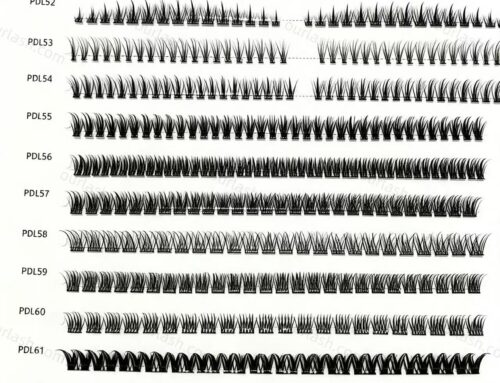
Cluster lashes come in three formats, and their wear times barely overlap. The confusion most buyers feel comes from brands lumping them together under one “cluster lashes” label.
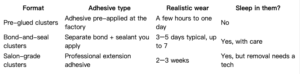
Pre-glued bases carry a thin strip of adhesive that’s already cured by the time the package reaches you. That convenience caps the lifespan: the bond is what it is, and it’s engineered to release at the end of the day. A few brands stretch the claim to two or three days, and adding extra bond on top can push them further, but sleeping in a pre-glued set is where the damage stories start. Our pre-glued vs. regular cluster comparison breaks down exactly why the formats behave differently.
Bond-and-seal is the format behind those “wear for a week” videos. You paint a liquid bond along your lash line, press the cluster on, then seal the base. Because the adhesive cures against your own lashes — not on a factory line — it grips harder and survives sleep, showers, and gym sessions. The catch is the routine that keeps it there.
Salon-grade clusters are applied with the same cyanoacrylate adhesive salons use for extensions, sometimes with individual lash fans instead of strip bases. Two to three weeks of wear is real, but so is the removal bill: that bond doesn’t dissolve in coconut oil, and ripping it out costs you natural lashes. Our eyelash extensions cost breakdown covers why professional removal is worth the $20–$40.
What “3–5 Days” Actually Looks Like, Day by Day
Bond-and-seal wear is not a steady state. It’s a slow decline you can track:
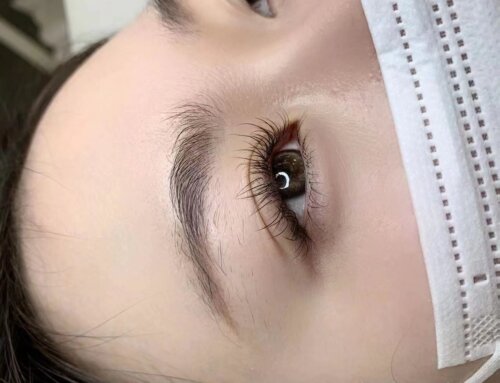
- Day 1–2:Peak hold. Clusters sit flush against your lashes, corners sealed, no visible movement. This is the window that sells the product.
- Day 3–4:The middle zone. A corner or two may lift slightly on the outer eye — normal, not a defect. The bond is still intact underneath; resist the urge to press them back down with bare fingers, because skin oil on the adhesive speeds the release.
- Day 5:Noticeable lift at the base as your natural lashes keep growing and shedding underneath. Fine to wear, but removal is now a same-day job, not a tomorrow job.
- Day 6–7:Only worth it if you’ve followed every aftercare rule and the set still sits flush. Once the base separates from the lash line, every extra hour adds friction that tugs at the lashes still holding on.
Here’s the part nobody tells you: your natural lashes are on a cycle. Each one grows for roughly 30–45 days, rests, and sheds — you lose 1–5 natural lashes per eye every single day without noticing. A cluster bonds to 8–15 of those lashes at once. When a few shed mid-week, the cluster loses anchor points and loosens from the inside out, even if you never touched it. That’s not the product failing. That’s biology on schedule.
Why Some Sets Die at Hour Four
When a bond-and-seal set falls off early, it’s almost never random. In the sample feedback and customer tickets that cross our QC desk, the same five factors explain nearly every short wear time:
- Application placement.A cluster pressed onto the skin of the lid instead of the natural lashes has nothing to grip for the long haul. Skin sheds cells constantly; the bond rides up and off on dead cells within a day or two. Placement onto the lashes themselves, one or two millimeters above the lid, is the difference between 5 days and 36 hours. Our home application guideshows the placement that holds.
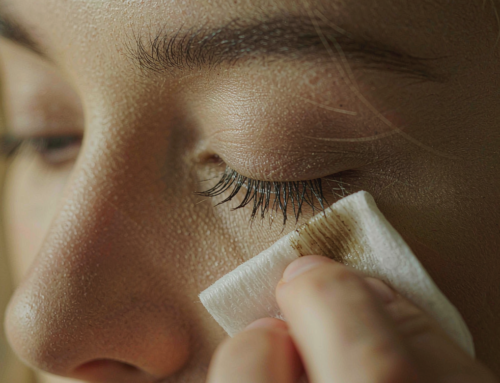
- Oil anywhere near the eyes.Bond breaks down on contact with oil. Cleansing balms, oil-based makeup removers, rich moisturizers, and even the natural sebum from touching your eyes all eat the adhesive from the edges inward. If your skincare routine touches your eye area, do it in the morning and keep the product off the lash line.
- How you sleep.Stomach and side sleepers press their lashes into the pillow for seven or eight hours a night. That friction alone can cut wear from five days to two. Back sleeping — or at least keeping your face off the pillow — is the single highest-impact change most people can make.
- Sweat and steam.A bond-and-seal set survives a workout; it survives less well sitting in sweat for hours afterward, or daily sauna sessions. Water doesn’t dissolve the bond like oil does, but constant moisture softens the sealant and loosens the grip over days.
- Picking and brushing too hard.The lash wand is for keeping clusters aligned with your natural lashes, not for scrubbing. Two gentle passes a day is enough. And the urge to “fix” a lifting corner by pulling it — don’t. You’ll take the whole cluster off, plus whatever lashes it’s still bonded to. When it’s time, remove it properly with remover; our safe removal guidewalks through the method that protects your natural lashes.
Making a Set Last the Full Window
The routine that gets you to day six or seven is short, and it’s mostly about what you don’t do:
- Brush clusters morning and night — two light passes, from base to tip.
- Keep oil-based products away from the lash line, including most makeup removers. Water-based or micellar cleansers are the safer pair.
- Sleep on your back, or at least off your face.
- Skip the sauna and steam room for the first two days after application.
- Don’t touch, twist, or re-press clusters with bare fingers. If a corner lifts, dab a tiny drop of bond on a cotton swab and re-seal — never push with your hands.
- Remove at day five to seven while the bond still releases cleanly. Overstaying is how the “damaged my lashes” reviews get written.
One honest note on reuse: pre-glued clusters are single-use — the factory adhesive is spent the moment they come off. Bond-and-seal clusters can sometimes survive one or two cleanings and reapplications if the fiber holds up, which is why material quality matters for anyone buying in volume.
For Lash Brands: The Claim on the Box Becomes the Review
If you sell clusters under your own label, wear time is a product decision before it’s a marketing one. Here’s the pattern we see across private label customers: a brand overstates longevity — puts “7-day wear” on a pre-glued product, say — and the reviews fill up with “fell off in hours,” even when the product performed exactly as its format allows. The customer didn’t buy the wrong product. The packaging sold the wrong expectation.
The brands with clean review profiles do three things. They match the claim to the format: one-day language for pre-glued, “up to a week with bond and seal” for bond-and-seal. They print the routine on the card — oil-free skincare, back sleeping, brush twice daily — because those three habits deliver more wear time than any formula tweak we can make. And they include a remover or removal instructions with every bond-and-seal kit, which we’ve found cuts “ruined my lashes” complaints down to near zero.
If you’re sourcing, ask your factory how their bond behaves in oil-exposure and friction testing, not just how long it holds on a mannequin. Our guide to vetting a lash vendor in China lists the questions worth asking, and our private label guide covers packaging, inserts, and spec-setting for brands that want the wear-time story to survive contact with real customers.
Quick Answers
Q: How long do cluster lashes actually last?
Pre-glued clusters last a few hours to one day. Bond-and-seal clusters last 3–5 days for most people, up to 7 with careful aftercare. Salon-grade clusters with professional adhesive last 2–3 weeks but need professional removal.
Q: Can I sleep in cluster lashes?
Only bond-and-seal (and salon-grade) sets are designed for it. Pre-glued clusters should come off before bed — the overnight friction loosens them unevenly, and morning removal of a half-loose set is where natural lashes get pulled out.
Q: Do cluster lashes damage your natural lashes?
Worn and removed correctly, no more than any extension product. Damage comes from dry pulling, sleeping past the wear window, and applying to the skin instead of the lashes. The lashes you see in the cluster when it comes off are partly just the 1–5 you shed daily anyway.
Q: Which cluster lashes last the longest?
Bond-and-seal clusters applied and cared for properly give the best balance of multi-day wear and DIY removal. If you want the longest possible hold regardless of removal hassle, salon-grade application wins at 2–3 weeks.
Q: Why did my clusters fall off in one day?
Check the three usual suspects in order: were they applied to the lashes or the skin, did any oil-based product touch them, and did you sleep on your face? One of those three explains most early failures. Rarely is it the adhesive.
OURLASH manufactures pre-glued and bond-and-seal cluster lashes from our factory in Qingdao, China — 14 years of production experience, oil-exposure and friction-tested bond formulas, and private label support that puts realistic wear claims on your packaging, not inflated ones.