
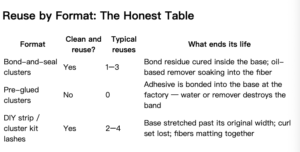
Short answer: bond-and-seal clusters can be cleaned and reused 1–3 times if the base is intact and the bond comes off clean. Pre-glued clusters are single-use — full stop. DIY strip lashes usually survive 2–4 wears. The number isn’t luck. It’s what the base is made of, and what you do in the ten minutes after removal.
Most clusters die in the first sixty seconds after they come off. Not from wear — from the removal, and from being dropped wet into a plastic bag to sit curled against each other for two weeks.
If you’re working with pre-glued, the reuse question is already answered and the rest of this piece won’t apply — the format comparison guide covers which format fits which wear goal.
Why Reuse Is a Chemistry Problem, Not a Budget Problem
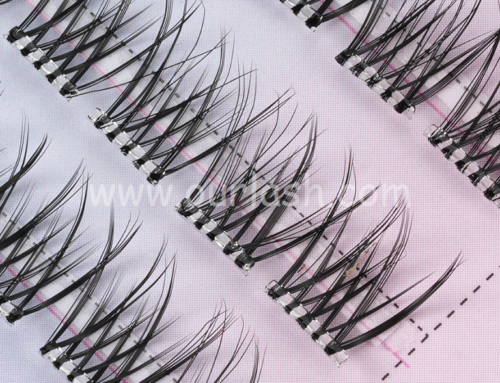
The reason a cluster won’t grip the second time has almost nothing to do with how it looks. A used cluster can look flawless and still be finished, because cured bond residue sits in the fiber gaps — roughly 0.02–0.05 grams per cluster, invisible, and enough to block new bond from reaching the natural lashes. The whole cleaning job is one thing: get that residue out without damaging the fiber.
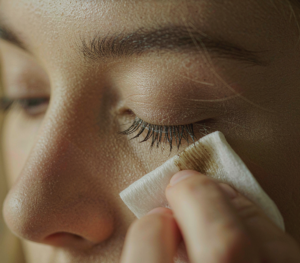
Two ways to get it wrong. Picking the bond off dry with tweezers pulls fibers out of the base and shortens the cluster’s life to a single wear. Using an oil-based remover is worse — oil dissolves bond, sure, but it also creeps into the fiber and flattens the curl permanently. We see it in customer service tickets constantly: “the lashes went straight after I cleaned them.” They weren’t straightened. They were soaked in oil. Coming off a wear cycle? Start with the safe removal guide first.
The Six-Step Cleaning Method
This is the process our sample room uses on returned clusters before QC inspects base integrity. It works on a bathroom counter.
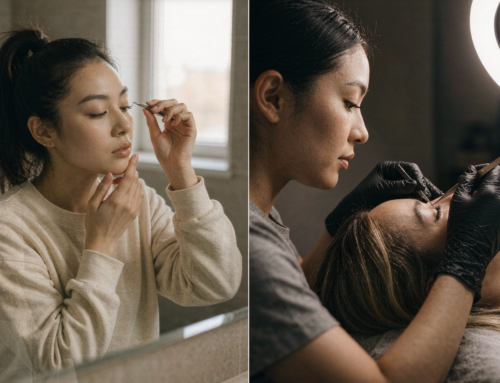
- Peel the bond, don’t pull the fiber.Work from the base end with fine tweezers. The bond should lift as one piece, or in two or three flakes. If it’s fighting you, stop and go to step 2 — you’re about to tear the base.
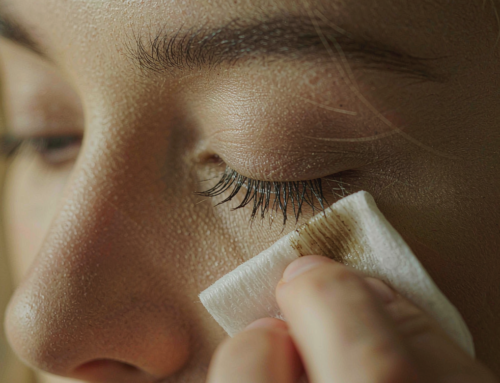
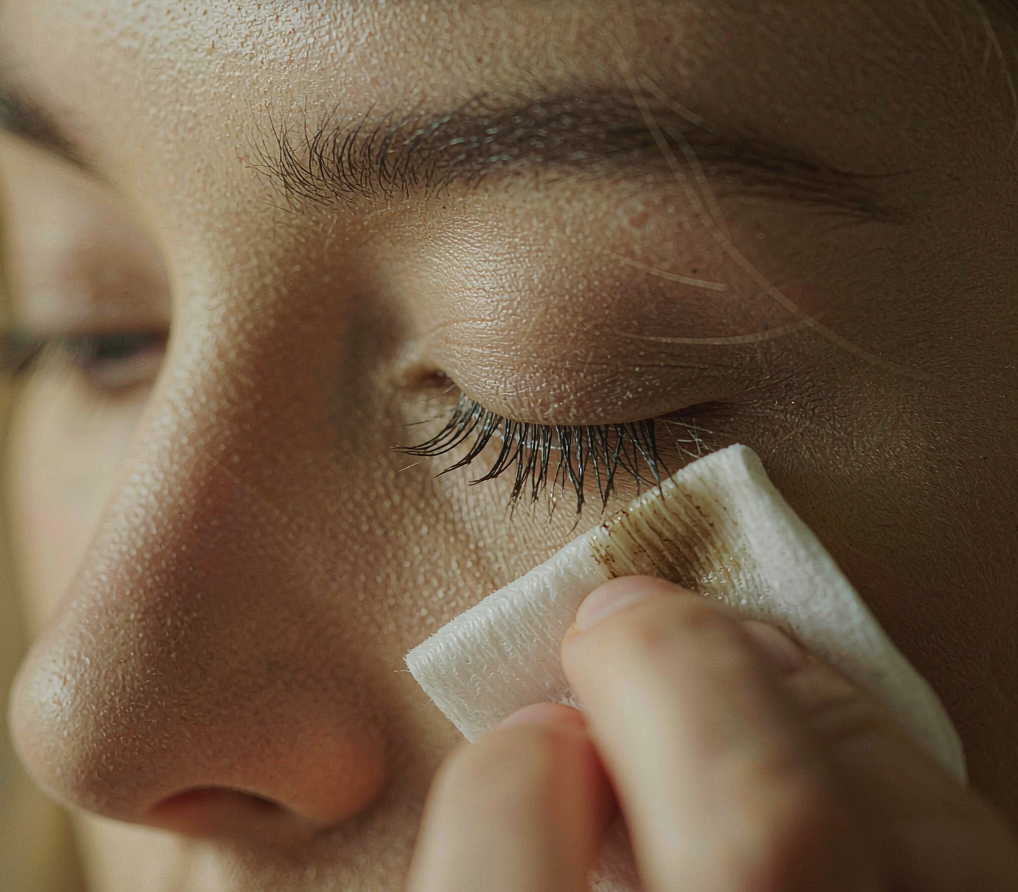
- Soak 30–60 seconds.Oil-free remover for bond-and-seal, or lukewarm water with a single drop of tear-free shampoo for water-based bond. Thirty to sixty seconds. Not five minutes. Long soaks are what stretch bases out.
- Agitate gently.Swirl the cluster in the liquid. A soft makeup brush at most. No rubbing, no scrubbing, no fingernails — the base is a woven band and it does not like shear force.
- Rinse at 30–35°C.Lukewarm. If the water is hot enough to fog a mirror, it’s hot enough to soften the curl set. This is the most common mistake we see.
- Air dry 2–4 hours, curl-side up.On a lint-free pad or a paper towel that won’t shed. Never a hairdryer, never direct sun. Room temperature, flat, undisturbed.
- Re-shape before you store.Run a clean spoolie through, then set them down with the curl facing up and nothing resting on top. Do this before you reach for the storage box, not after.
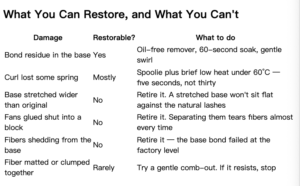
One rule of thumb: if the base measures more than about 5% wider than it did new, it’s done. Lay it against a ruler next to a fresh one from the same tray and you’ll see it immediately.
How to Store Them So They Come Back Usable
Storage is where careful cleaning gets thrown away. Three things matter.
Keep them flat and uncompressed. The original lash tray, or any shallow box with clusters lying curl-side up. Nothing on top — a cluster crushed under others for a month takes a set in the wrong direction and won’t sit right on the lid.
Keep humidity out. Above roughly 60% relative humidity the curl set softens and PBT starts to relax. A sealed container with a silica packet solves it for almost nothing. A bathroom cabinet is the worst place in the house.
Keep them cool. Not refrigerated — just not above 30°C. A summer windowsill is enough to flatten a tray. Label by wear count too; a marker dot on the tray divider is enough. The DIY kit guide covers how trays and dividers are set up for that.
How Many Times Can You Actually Reuse Them?
A bond-and-seal cluster handled well gets two to three wears. The third runs noticeably shorter than the first — expect it to start lifting a day earlier. A fourth is possible, but the base has usually stretched by then. DIY strip and kit lashes get two to four wears, mostly because the adhesive sits on the band rather than in the fiber, so there’s less residue to extract. Pre-glued: zero.
What pushes you to the low end — oil-based remover, hot water, dry-picking the bond, compressed storage. What pushes you to the high end — oil-free remover, a clean peel, flat storage, and rotating between more clusters so no single one carries a full week. Clusters dying early? The fall-off diagnostics will tell you whether it’s the cluster or the application. Once they’re clean and dry, the home application guide covers the reapply.
When Reuse Stops Being Worth It
Retire the cluster when any of these show up, no exceptions: bond residue that stays cloudy after two cleaning attempts, a faint sour smell from the base, fibers that mat together within minutes of drying, or visible fiber loss.
This isn’t fussiness. The lash line is thin skin next to a mucous membrane, and a base holding old protein and moisture is not a surface you want against it. Three clean wears is a good number. Five is tempting the wrong outcome.
FAQ
Q: Can you reuse pre-glued cluster lashes?
No. The adhesive is bonded into the base during manufacturing, so water or remover destroys the band before it removes the glue. Pre-glued is a one-day format by design.
Q: How many times can you reuse cluster lashes?
One to three times for bond-and-seal, two to four for DIY strip and kit lashes, zero for pre-glued. Handling matters more than brand.
Q: Can you wash cluster lashes with regular water?
Lukewarm water, 30–35°C, is fine for water-based bond. Hot water softens the curl set — the fastest way to turn a reusable cluster into a straight one.
Q: How do you store cluster lashes so they keep their curl?
Flat, curl-side up, nothing on top, sealed away from humidity above 60% and below 30°C. Add a silica packet and label them by wear count.
Q: Is it hygienic to reuse cluster lashes?
Yes, if the bond is fully removed, the base cleans up clear, and there’s no odour or matting. Retire anything that fails those checks. A cleaned cluster also grips marginally less than a fresh one, which is why wear three runs about a day shorter — the wear timeline guide has the day-by-day numbers.
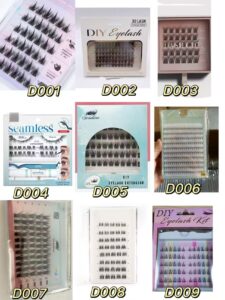
The Factory View: Reusability Is a Spec, Not a Claim
From the production side, “reusable” is one of the few performance claims customers will actually verify. They’ll count. And they’ll either come back or they won’t.
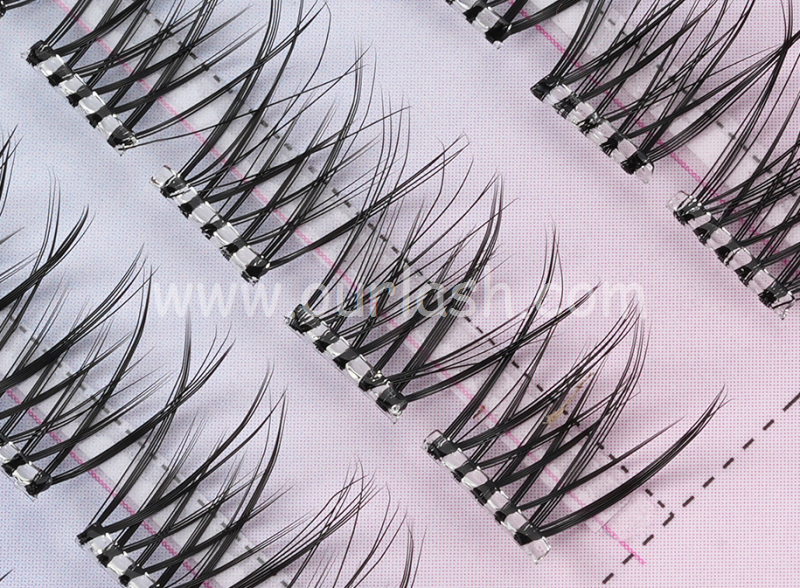
What determines whether a cluster survives a solvent cycle is base construction. A woven cotton-thread base with fibers locked into the wrap holds through two or three cleanings. A base where fibers are spot-glued onto a flat band starts shedding after the first soak, because the soak attacks exactly the adhesive holding the fibers in place. Same silhouette on the shelf. Completely different second wear.
That’s why we run a three-cycle soak test on cluster batches before they ship, and why base construction is specified per SKU rather than left to whatever the line is running that week. If you’re sourcing, the question to ask isn’t “are these reusable” — it’s what’s the base construction, and how many soak cycles does it hold before fiber loss. A vendor who can’t answer that is selling you a single-use cluster with a reusable label. Our vendor selection guide walks through the full question set, and the wholesale guide covers how it fits into volume ordering.
There’s a positioning angle here too. In a market where most clusters are quietly single-use, a brand that can honestly say “two to three wears” is selling a different product at the same price. It shows up in repeat purchase rate before it shows up anywhere else. The private label guide covers how to spec that claim into a product line instead of bolting it on afterward — worth reading alongside the cost comparison against salon extensions, because reuse is where DIY stops being the expensive option.
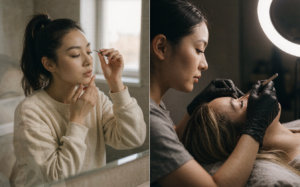
What to Do With the Tray You Already Own
Clean one cluster tonight, label it, wear it, then compare it against wear one and decide whether fifteen minutes is worth it. That decision is personal, and the answer is different for everyone.
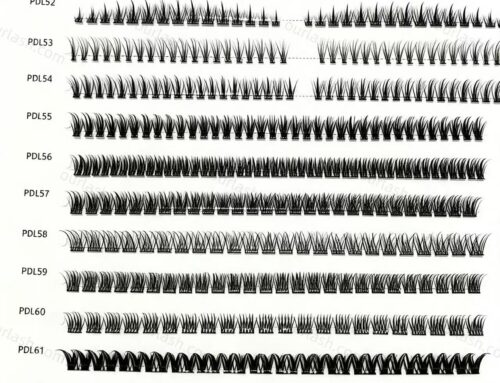
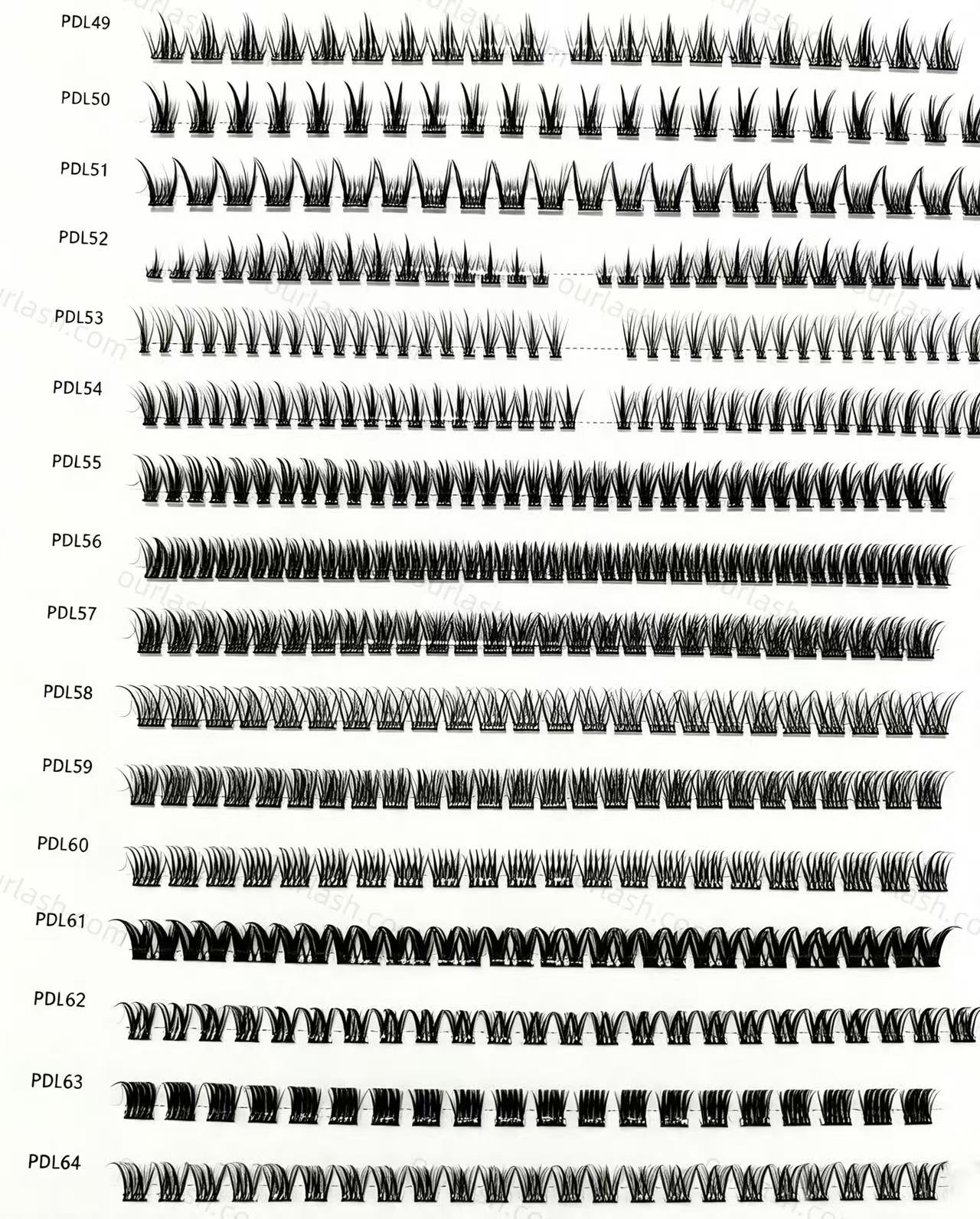
Want clusters built to survive the second wear? Send us your target spec and we’ll quote base construction options. Looking for the full line instead? Browse the cluster catalog.